Skip to content

Confined Space RescueBuilt Around the Work.

Confined space standby rescue, permit-required entry support and rescue-ready systems for industrial work.

Need Confined Space Rescue Support?

Tell us about the project and our team can review the scope.

Quick project request
Permit-Required Spaces
Standby Rescue
Technical Rescue
Site-Specific Planning
Rescue-Ready Systems
Before Entry Begins

Rescue Readiness Starts Before Entry

Confined-space rescue preparedness starts well before personnel enter the space.

ARS evaluates the actual operation, including the work being performed, access and egress limitations, atmospheric hazards, fall exposure, communication, personnel, equipment, and possible rescue scenarios, so rescue capability can be built around the project rather than added as an afterthought.

For permit-required confined-space operations, ARS can support contractors and facility teams with standby rescue, site-specific rescue planning, access preparation, atmospheric monitoring coordination, pre-rigging, entry support, safety consulting and project oversight, and technical rescue systems.

The objective is not simply to have personnel waiting nearby. The objective is to be rescue ready.

Pre-entry coordination, access, communication and rescue roles
Capabilities

Confined Space Support From Planning Through Entry

Support is scoped to the entry. Not every capability below applies to every project.

  1. Confined Space Standby Rescue

    Technically prepared rescue personnel positioned to support permit-required confined-space operations and respond to site-specific rescue scenarios.

  2. Permit-Required Confined Space Support

    Support for projects involving permit-required spaces, entry preparation, safety coordination, attendant requirements, access and egress considerations, and rescue preparedness.

  3. Site-Specific Rescue Planning

    Rescue plans developed around actual space geometry, entry configuration, hazards, equipment, personnel, access restrictions, and potential rescue scenarios.

  4. Pre-Rigged / Rescue-Ready Systems

    Where appropriate, rescue equipment and rope systems can be staged or pre-rigged before entry so the response does not begin from zero when conditions change.

  5. Technical & High-Angle Rescue

    Technical rope-rescue capability for elevated, vertical, restricted-access, and industrial environments where conventional rescue approaches may be insufficient.

  6. Entry & Safety Support

    Project-driven support may include ventilation management, atmospheric monitoring, gas detection coordination, permitting assistance, attendant support, site oversight, and emergency preparedness.

Confined-space work frequently overlaps with elevated and suspended access. Where it does, the same team provides industrial rope access services and confined space rescue training.

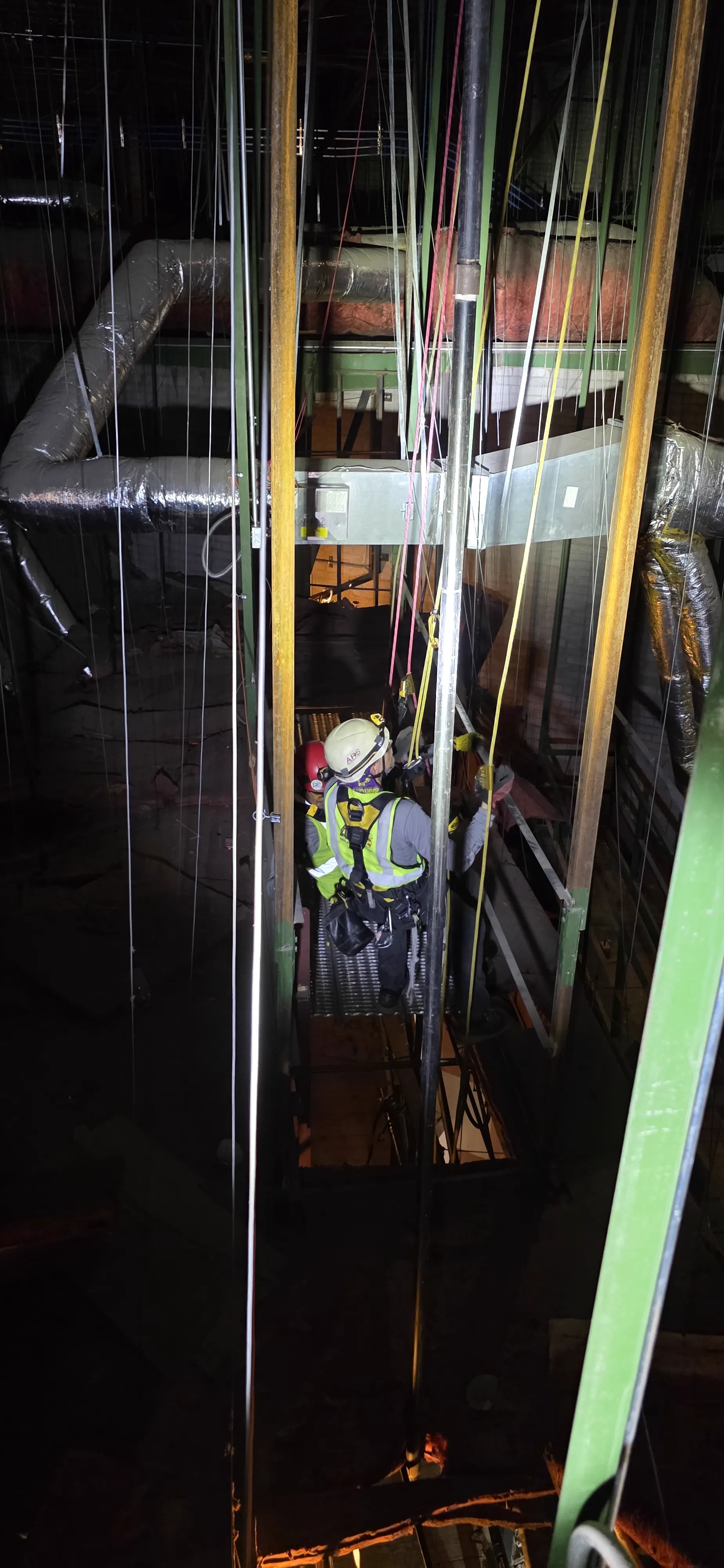
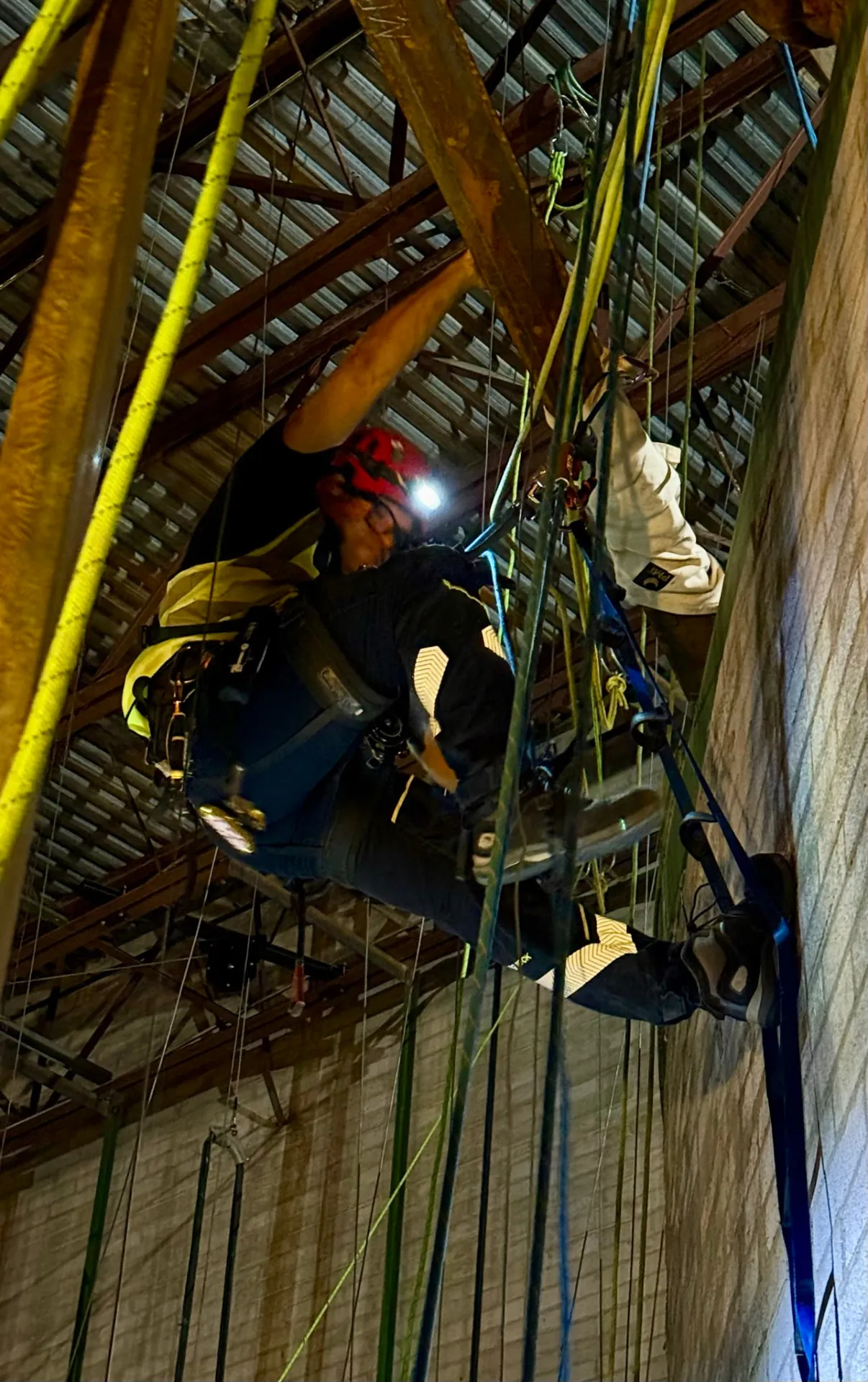
Looking down into an industrial shaft where restricted access complicates rescue
Where Rescue Gets Complicated

Rescue Planning Beyond the Space

Confined-space rescue becomes more complex when entry points are restricted, vertical travel is involved, internal geometry limits movement, atmospheric conditions must be controlled, or the work occurs inside an operating industrial environment.

ARS evaluates both the confined space and the work taking place inside it.

  • Tanks & vessels
  • Manholes
  • Utility vaults
  • Underground piping
  • Water / wastewater structures
  • Industrial process areas
  • Elevated or vertical access
  • Restricted-entry locations
  • Shutdown and outage environments
Proactive, Not Reactive

Plan the Rescue Before Entry Begins

A connected sequence, each step informs the system that follows it.

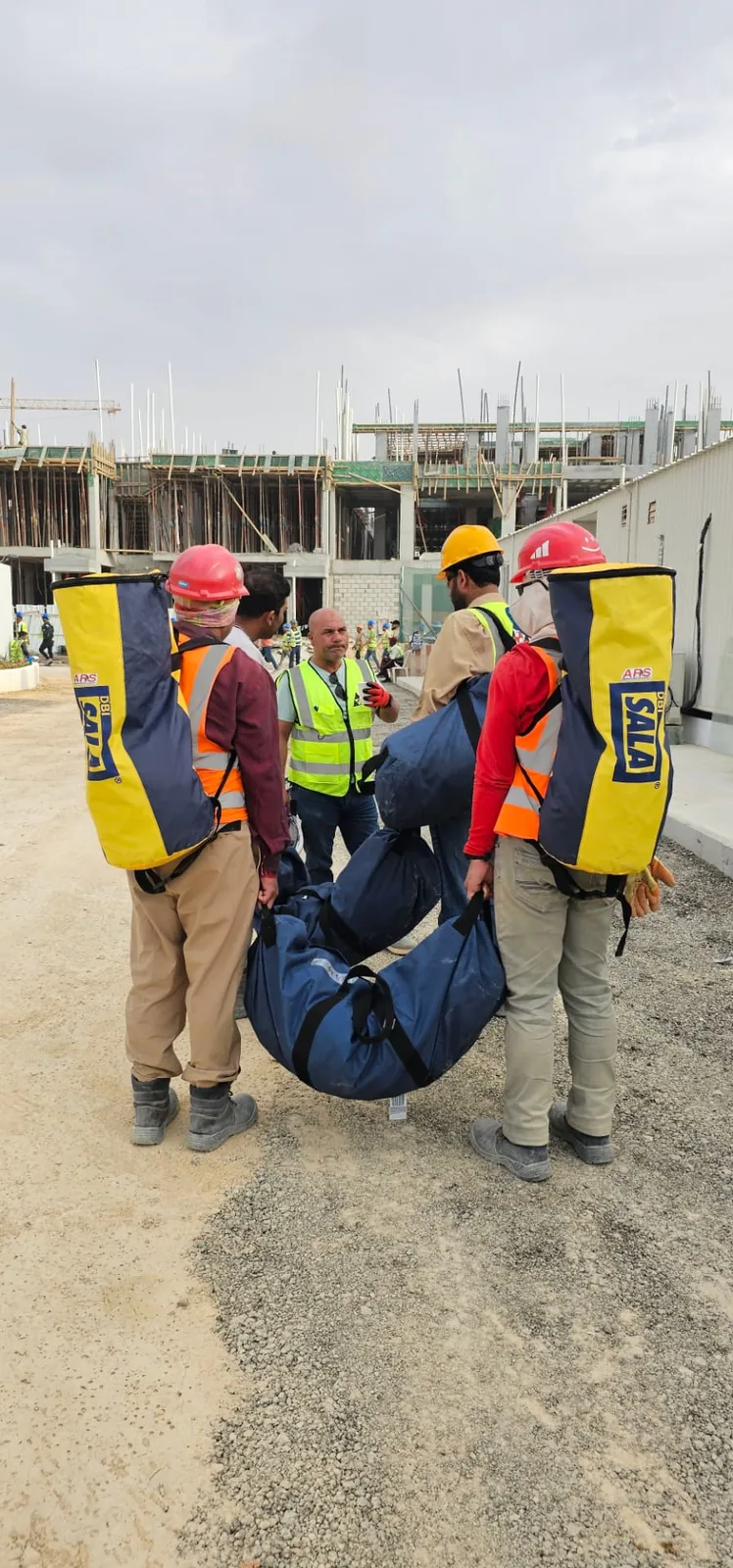
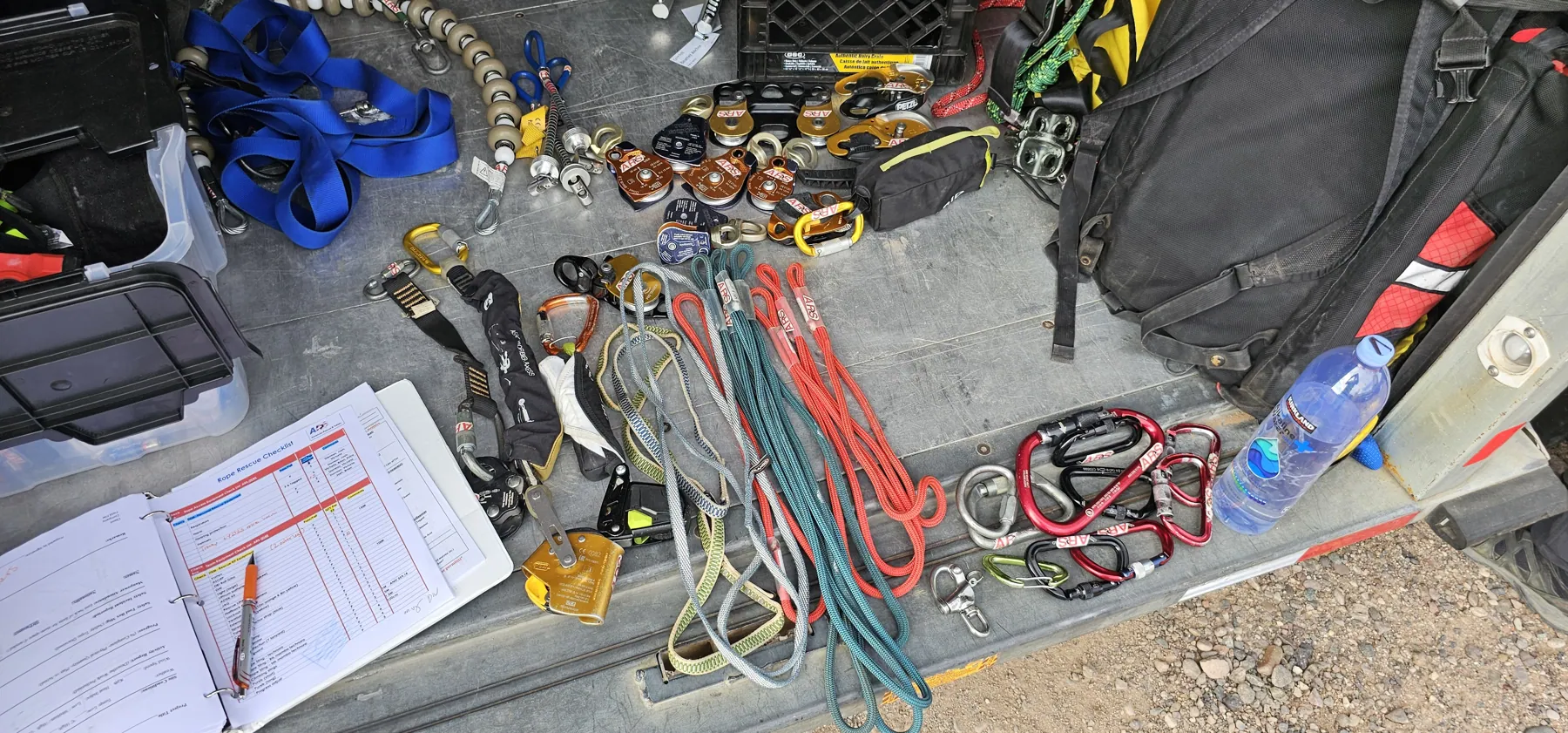
Rope, retrieval hardware and job paperwork staged before a confined-space entry
Rescue systems prepared before exposure begins
  1. 01

    Assess

    Review the space, scope of work, hazards, entry configuration, access, egress, personnel, equipment, and rescue constraints.

  2. 02

    Plan

    Develop the site-specific rescue approach around realistic scenarios rather than a generic plan.

  3. 03

    Prepare

    Stage rescue equipment, communication systems, atmospheric monitoring requirements, and personnel.

  4. 04

    Pre-Rig

    Where conditions warrant, prepare rope or retrieval systems before exposure begins.

  5. 05

    Verify

    Confirm communication, equipment, access, rescue roles, and system readiness before entry.

  6. 06

    Remain Ready

    Adjust the rescue system as site conditions or the work scope change.

The Difference

A Rescue Plan Still Needs a Rescue System

Documentation establishes intent. Capability is what determines whether that intent can be carried out on the day it is needed. A plan is effective when trained personnel, appropriate equipment, physical access to the space, working communication, and a realistic response strategy all exist together at the entry point.

That means rescue systems set up for the actual configuration rather than a generic one, awareness of the work conditions inside the space, and the ability to adapt when the scope, the crew, or the environment changes mid-project.

ARS's approach is engaged and project-aware. The rescue team should understand not only the confined space, but also the work being performed, how personnel are entering, what could prevent self-rescue, and how the rescue system must function if conditions change.

  • Trained rescue personnel
  • Equipment appropriate to the space
  • Physical access to the entry point
  • Working communication
  • A realistic response strategy
  • Rescue-system setup, not improvisation
  • Awareness of actual work conditions
  • Ability to adapt if the work changes
Rescue Methods

The Rescue Method Depends on the Space

The appropriate method depends on the actual space, hazards, access, worker position, equipment, and potential rescue scenario.

  1. 01

    Non-Entry Rescue

    Where the configuration and hazards allow, a worker may be recovered using retrieval systems without another rescuer entering the space. This depends on entry geometry, attachment points, worker position, and whether retrieval lines can operate without creating additional exposure.

  2. 02

    Entry Rescue

    When non-entry retrieval is not possible or appropriate, trained rescue personnel may need to enter the space using site-specific technical rescue procedures, controlled entry methods, atmospheric protection, and pre-established communication.

  3. 03

    Rope / Technical Rescue

    Spaces involving vertical access, complex geometry, elevated structures, deep entries, or difficult egress may require advanced rope systems and technical rescue capability, including raising and lowering systems, edge management, and patient packaging.

Project Support

Confined Space Support Beyond Standby Rescue

Rescue coverage is one part of the scope. ARS supports the entry from planning through the final exit.

Before Entry

  • Hazard Evaluation
  • Access & Egress Review
  • Rescue Planning
  • Pre-Entry Coordination
  • Entry-Permit Assistance
  • Communication Planning

During Entry

  • Atmospheric Monitoring Coordination
  • Gas Detection Support
  • Ventilation Coordination
  • Attendant Support
  • Site Safety Oversight
  • Rescue Readiness

Technical Rescue Support

  • Rescue Equipment Preparation
  • Rope / Retrieval System Setup
  • Rescue-Team Development
  • Rescue-Team Evaluation
  • Shutdown & Outage Support

Support is tailored to the project, client responsibilities, site requirements, and the conditions of the entry. ARS does not perform every function on every scope.

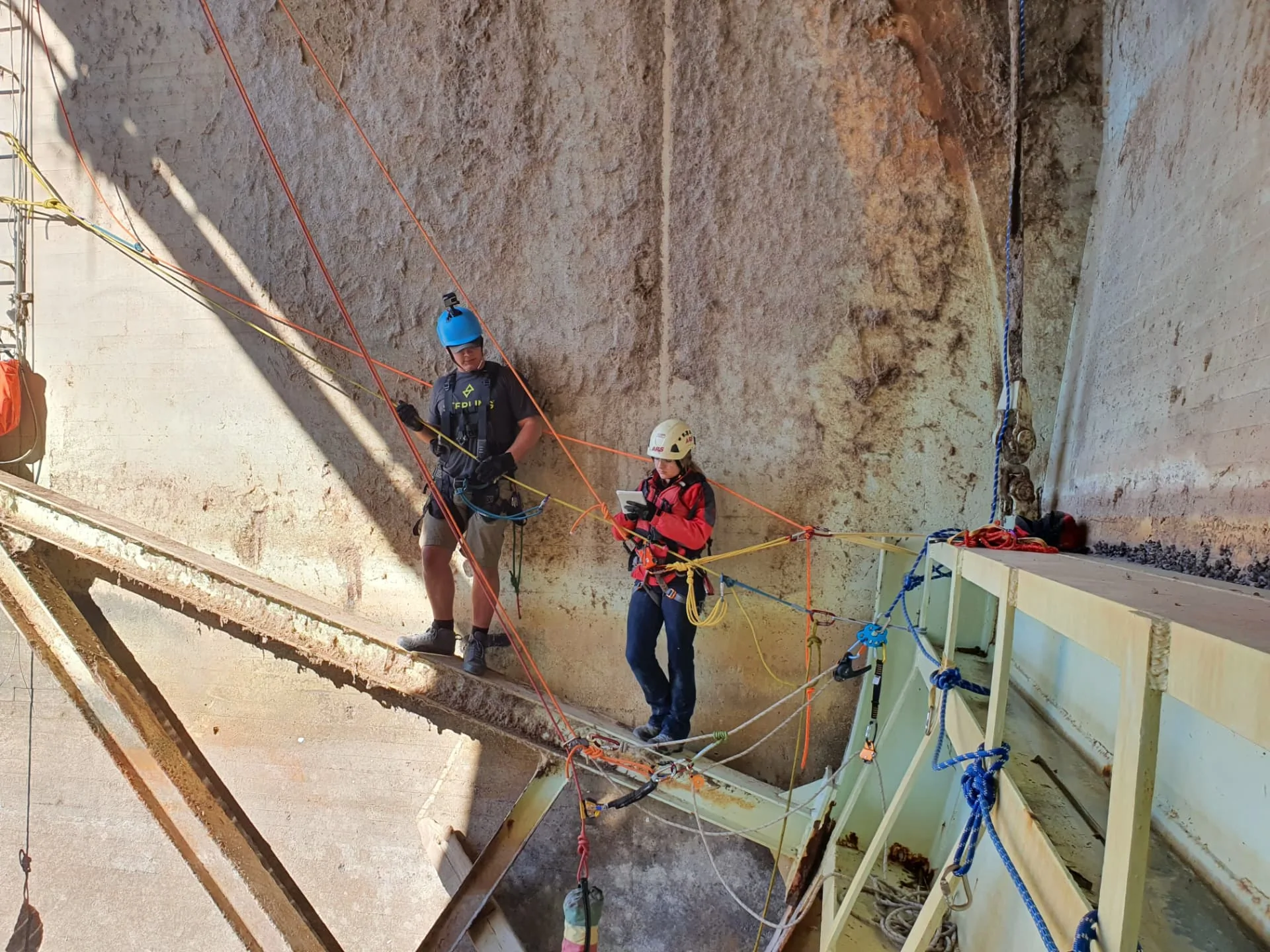
Overhead rigging inside an industrial structure during ARS project work
Industrial Applications

Confined Space Rescue For Industrial Operations

ARS supports confined-space and rescue requirements in environments where technical competency, preparation, communication, and project execution must work together.

  • 01

    Power & Utilities

  • 02

    Water & Wastewater

  • 03

    Industrial & Manufacturing

  • 04

    Oil, Gas & Petrochemical

  • 05

    Construction & Infrastructure

  • 06

    Government / Municipal

  • 07

    Specialized Facilities

  • 08

    Maintenance, Shutdowns & Outages

See the full range of industries ARS supports.

Field Experience

Rescue Planning Grounded in Field Conditions

Representative project types from ARS field work. Client names are withheld.

Rigging hardware and rope systems staged for a confined-space entry

Project Type

Internal Tank & Vessel Repair

Challenge
Repair work inside a tank with a single restricted entry point, limited internal movement, and atmospheric conditions requiring continuous control.
ARS Support
Site-specific rescue planning, staged retrieval and rope systems at the entry, coordination with the entry supervisor and attendant, and standby rescue personnel positioned for the duration of the entry.
Low-angle view into an industrial shaft during below-grade access work

Project Type

Underground Piping & Water-Main Work

Challenge
Below-grade work with vertical access, restricted egress, and crews operating out of direct line of sight from the surface.
ARS Support
Access and egress review, pre-rigged raising and lowering systems, communication planning between surface and entrant teams, and technical rescue capability held ready at the opening.
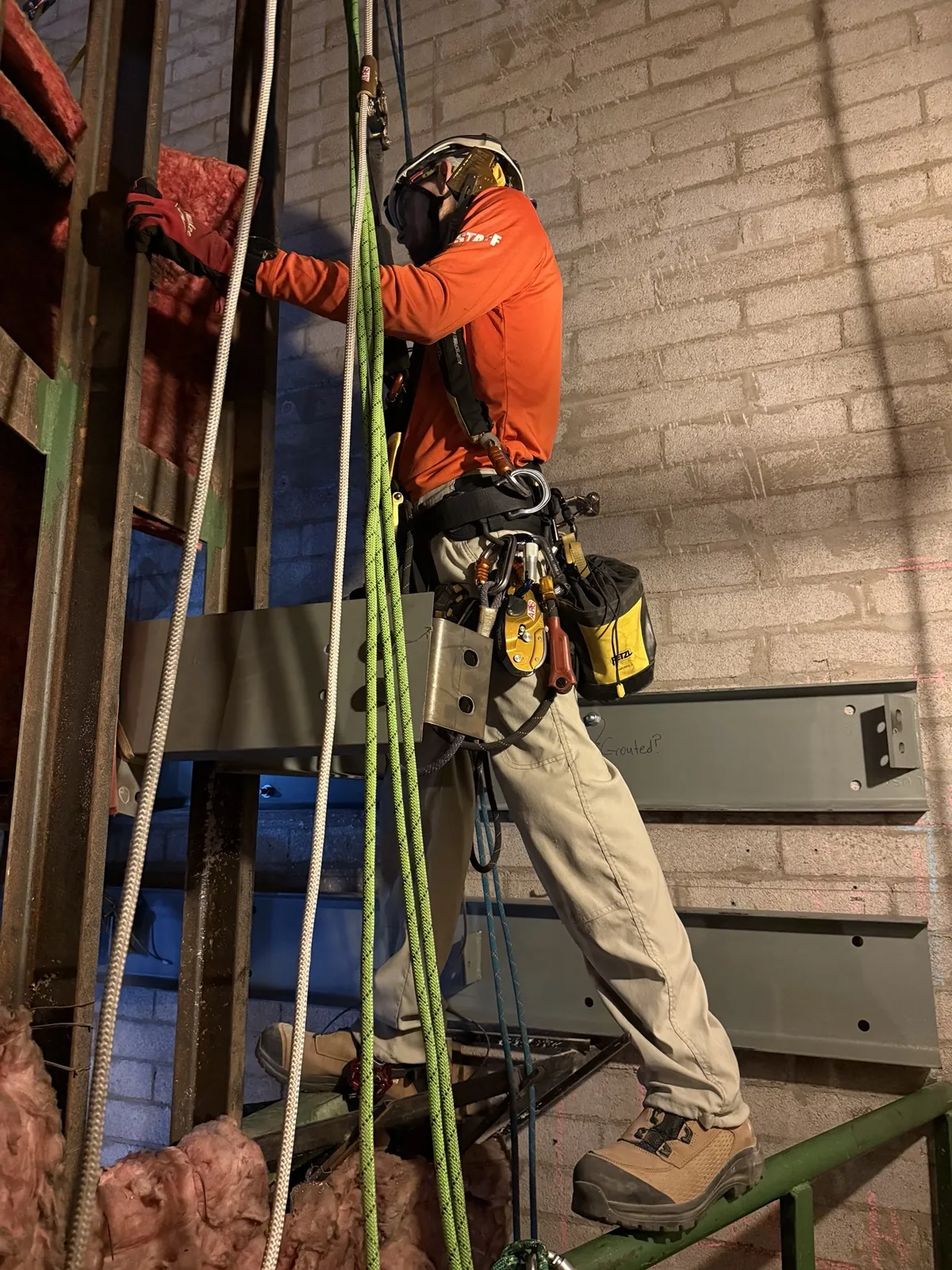
ARS technician working on industrial steelwork during shutdown-related access work

Project Type

Shutdown-Related Elevated Rescue Support

Challenge
Outage work combining confined-space entries with elevated and suspended positions inside an operating facility on a compressed schedule.
ARS Support
Combined rope access and rescue coverage, pre-entry system verification each shift, and rescue plans revised as scope and structural access changed through the shutdown.

More context on how ARS approaches complex scopes is available in ARS project experience.

Why ARS

Why ARS for Confined Space Rescue

  1. 01

    Approximately 20 Years of Field Experience

    Industrial and construction field background behind every rescue plan, not classroom theory applied to an unfamiliar environment.

  2. 02

    Rope Access & Technical Rescue Under One Team

    Confined-space capability supported by SPRAT-aligned rope access expertise, so vertical, suspended, and restricted-access scenarios stay within the same skill set.

  3. 03

    Proactive Planning and Pre-Rigging

    Rescue systems evaluated and, where appropriate, staged before exposure begins rather than assembled after conditions change.

  4. 04

    Class A General Engineering Contractor

    Licensed Arizona Class A General Engineering Contractor (AZ ROC 330310), with safety consulting and program development capability alongside field execution.

  5. 05

    Project Understanding

    ARS evaluates the work being performed inside the space, not just the space itself, so rescue capability matches the actual operation.

  6. 06

    Arizona Base, National and International Reach

    Headquartered in Litchfield Park in the Phoenix metropolitan area, supporting projects across Arizona and the Southwestern U.S., with mobilization for qualifying national and international work.

Organizations building internal capability can pair standby coverage with rescue program development and technical rescue training.

Common Questions

Confined Space Rescue FAQs

Regulatory requirements vary by jurisdiction, facility, and scope. ARS can help evaluate what a specific entry requires.

ARS technician working on an industrial structure requiring specialized access and rescue
Plan Before Entry

Bring ARS in Before Confined Space Entry

Tell us about the space, work scope, location, access limitations, known hazards, schedule, and rescue requirements. ARS can help evaluate the project and determine the appropriate level of confined-space and rescue support.

Or call (480) 979-1679