Technical Safety Support
For Complex Work
Safety consulting, project oversight, formal safety systems and proactive rescue planning for complex work.ARS provides industrial safety consulting, project safety oversight, formal safety systems support, and proactive rescue planning for complex industrial, construction, utility, and infrastructure work involving specialized access, fall exposure, confined spaces, and rescue requirements.
Safety Consulting Built Around the Work
ARS is a technical safety partner, not a rope access vendor. Industrial safety consulting, project safety oversight, formal safety systems, and proactive rescue planning are delivered as one capability so decision-makers can evaluate worker exposure, project risk, and operational readiness before crews mobilize.
ARS evaluates the work scope, project environment, personnel, equipment, access strategy, fall exposure, confined-space conditions, rescue requirements, and operational constraints before recommending how safety should be integrated into the project. Specialized access is one input to that evaluation: how the work will be reached, how personnel will be protected, what rescue capability is required, and how those decisions support execution.
That perspective matters most when work involves difficult access, significant fall exposure, permit-required entry, changing site conditions, or scopes that do not fit a generic safety template. Where the work requires it, the same organization delivers industrial rope access and technical rescue capability, so recommendations reflect how the systems behave in the field rather than how they read on paper.
The objective is not more paperwork. The objective is a safety system that works in the field.
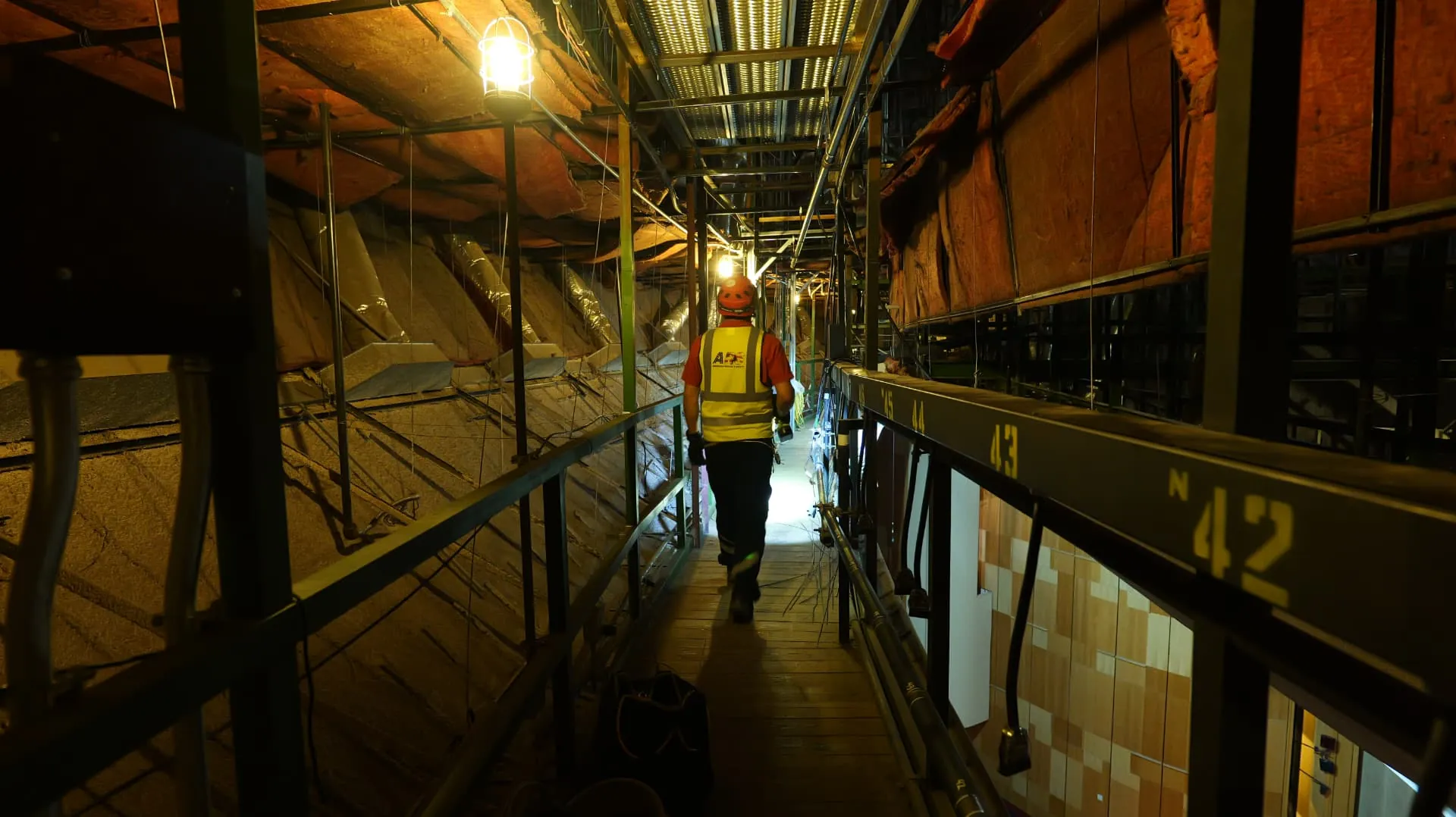
Safety Support from Planning to Execution
Technical safety scope, arranged around the project lifecycle. Support is scoped to the operation, not every element applies to every project.
Before the Work
Project Safety Planning
Review the work scope, hazards, personnel, equipment, access requirements, site conditions, and project expectations before work begins.
Hazard Assessment
Identify project-specific exposures and evaluate how work methods, access, equipment, environment, and changing conditions affect risk.
During The Work
Project Safety Oversight
Provide practical field safety support and oversight during industrial, construction, maintenance, infrastructure, and specialized operations.
Fall Protection & Working at Heights
Support planning for fall exposure, worker positioning, access systems, anchors, fall-protection methods, and rescue preparedness.
Around The Work
Specialized Work Support
Provide safety input for confined spaces, rope access, difficult-access work, rescue-sensitive operations, and other technically complex activities.
Safety Program Support
Assist organizations with evaluating, developing, or improving safety procedures and programs around actual operational requirements.
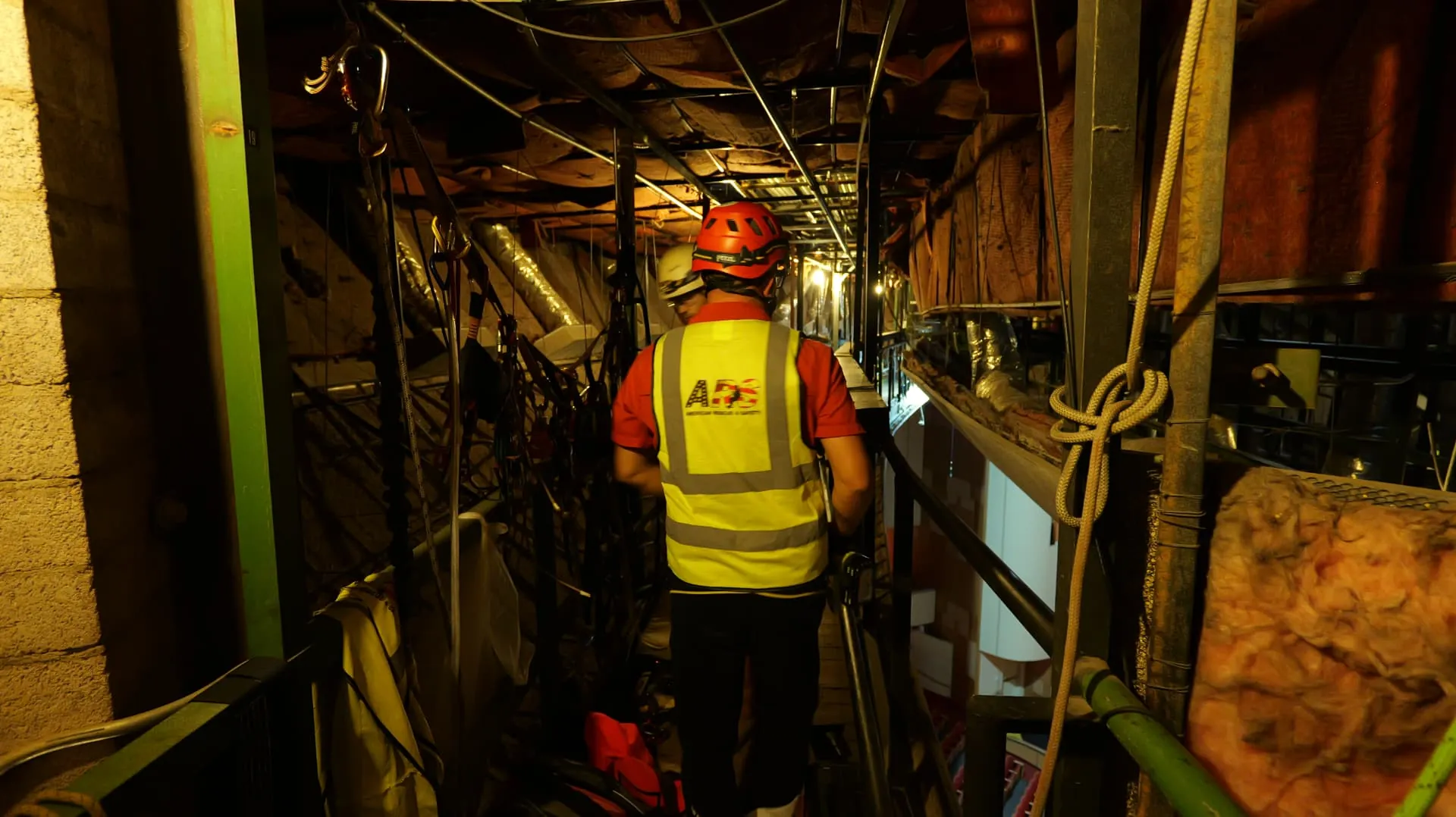
Bring Safety in Before the Work Gets Complicated
Most project safety problems are cheaper to solve on paper than on the structure. These are the situations where an outside technical safety perspective typically changes the outcome.
- A Complex Scope Is Being Planned
- Work Involves Significant Fall Exposure
- Confined-Space Entry Is Required
- Conventional Access Is Limited
- A Shutdown Or Outage Is Approaching
- Multiple Contractors Must Coordinate
- The Work Environment Is Changing
- Rescue Capability Must Be Integrated
- A Safety Program Needs Technical Review
Safety Changes as the Project Moves
Safety requirements are not fixed at kickoff. ARS structures support around four broad project phases so planning, verification, and oversight stay aligned with the work as it develops.
Before the Work
- Planning
- Hazard Assessment
- Safety Requirements
- Access / Rescue Considerations
Start of Work
- Site Verification
- Personnel & Equipment
- Communication
- System Readiness
Active Operations
- Field Oversight
- Changing Conditions
- Coordination
- Safety Verification
Project Changes
- Reassess Hazards
- Adjust Systems
- Update Planning
- Maintain Readiness
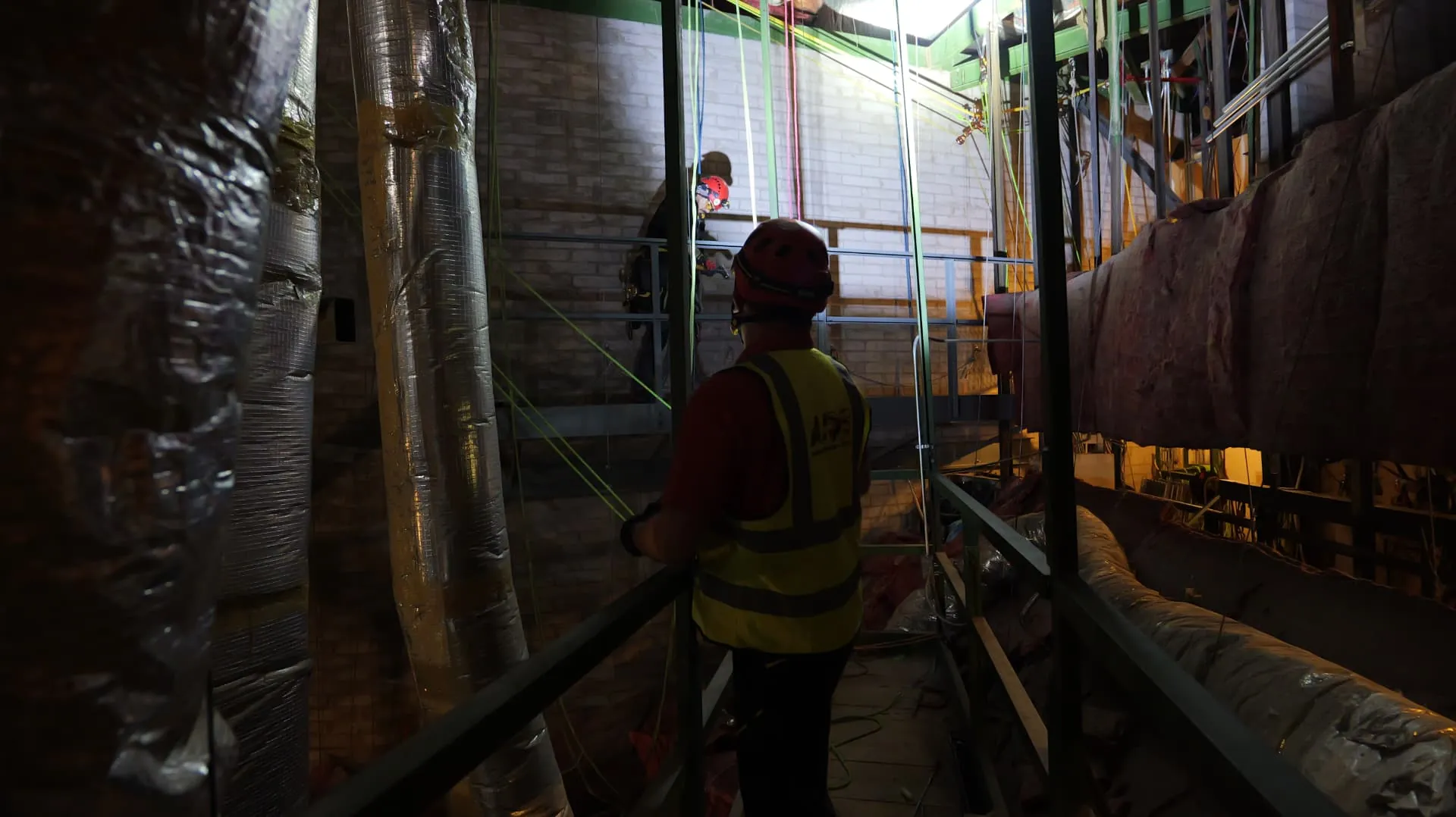
Safety Oversight Where the Work Happens
Technical safety is not a document produced before a project begins. On complex industrial and construction work, planning and field execution have to remain connected, because the conditions that shaped the plan rarely hold unchanged through the schedule.
Project safety oversight begins with observation: what the crew is doing, how personnel are positioned, what equipment is in use, and how the work area has changed since the plan was written. ARS keeps oversight tied to the work scope, access requirements, fall exposure, entry conditions, contractor coordination, and rescue preparedness, and communicates directly with supervisors and crews so corrective input is practical rather than procedural.
When conditions shift mid-project, hazards are reassessed, systems are adjusted, and rescue readiness is re-verified with the people performing the work. The level and duration of oversight is scoped to the project rather than applied as a fixed package.
Safety planning and field execution should stay coordinated from the first review through the last day of the work.
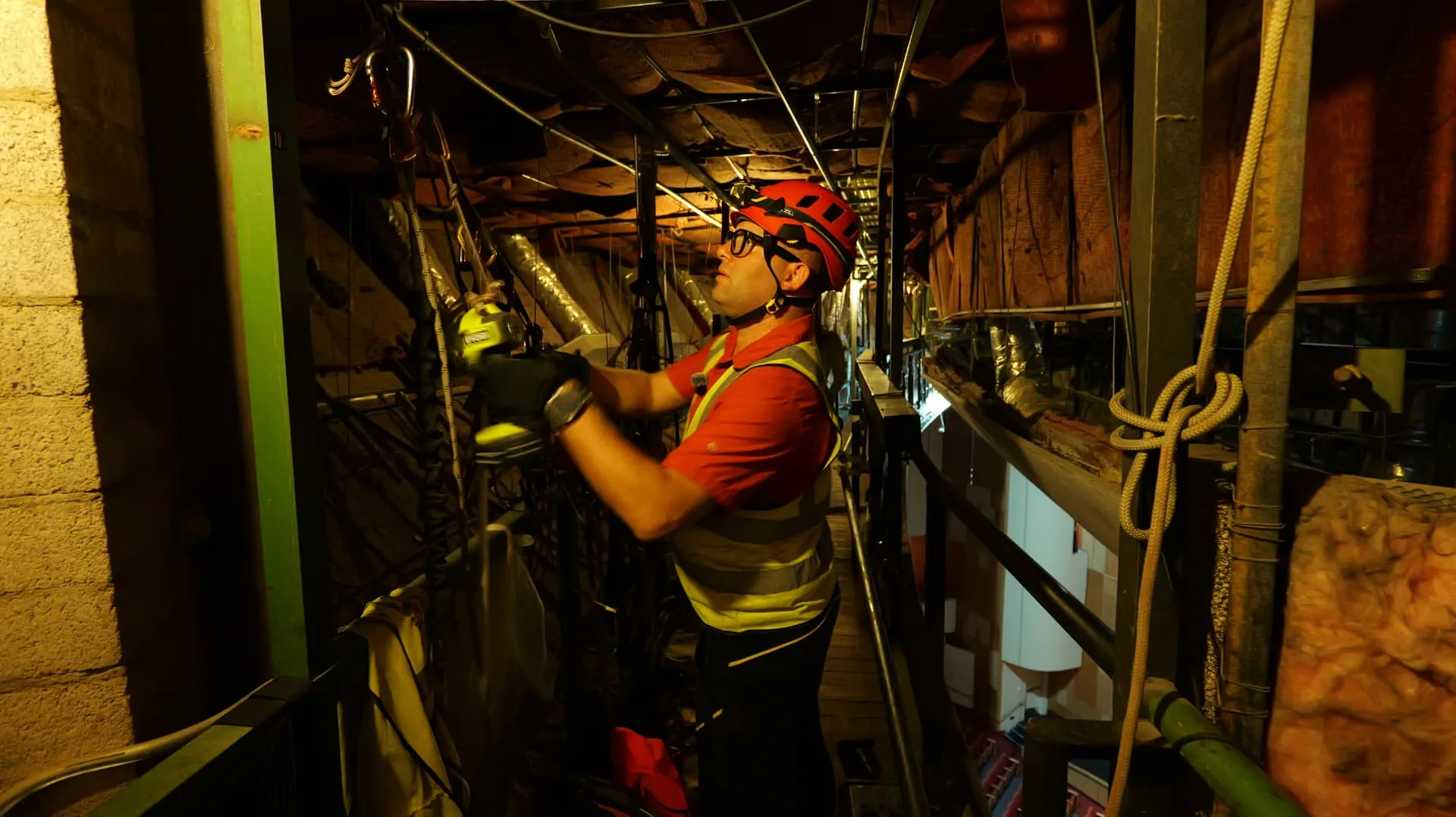
Structured Safety Systems Behind the Field Work
ARS has developed formal safety systems and supporting documentation that govern how projects are planned, staffed, monitored, and reviewed. Clients evaluating contractor capability are typically assessing organizational maturity as much as technical skill, and these systems are the structure behind the field work.
These systems are internal to ARS and are described here at a summary level. They are applied to the scope of each engagement rather than issued as generic documentation.
Project Planning
Structured planning around the scope, hazards, access requirements, personnel, equipment, and rescue considerations that define how the work will actually be performed.
Emergency Action
Defined expectations for how an emergency is recognized, communicated, and responded to on a project, including coordination with outside response.
Management Involvement
Safety decisions supported at the management level rather than delegated entirely to the crew performing the work.
Accountability
Clear expectations for roles, responsibilities, and the standard of performance required of personnel on technically demanding work.
Incident Investigation
A structured approach to reviewing incidents and near misses so contributing factors are understood and addressed rather than repeated.
Task-Specific Safety Controls
Controls written for the actual task, whether that is confined-space entry, work at height, specialized access, rigging, or rescue-sensitive work.
Rescue Capability Is Decided Before Exposure
Rescue planning begins before the work or the entry starts, not after a problem occurs. Before personnel are exposed, ARS evaluates the environment, hazards, access and egress, personnel, communication, equipment, retrieval considerations, and the rescue scenarios that are realistic for that specific work.
That evaluation determines what rescue capability the project actually requires, what has to be pre-rigged or staged, and who must be in position before entry or elevated work begins. It is the same discipline applied to hazard assessment and project planning, carried through to the response side of the work.
Operational detail on standby coverage and technical rope rescue is available on the confined space rescue page.
- Work Environment
- Hazards
- Access
- Egress
- Personnel
- Communication
- Equipment
- Retrieval Considerations
- Potential Rescue Scenarios
Access, Fall Protection & Rescue Work Together
On technically complex work, these systems are not independent. An access decision changes fall exposure. A fall-protection method changes rescue feasibility. A work method changes how long personnel stay exposed.
Safety is choreography: planning, access, worker protection, safety systems, rescue preparedness, equipment, communication, management, field personnel, and project oversight all have to move together. ARS evaluates them as one system so a project does not end up with a reasonable plan for each element and no plan for how they interact.
Integrated Safety System
Safe Project Execution
Access
How personnel reach and position at the work.
Fall Protection
How personnel are protected while exposed to fall hazards.
Work Method
What personnel are actually performing at the work position.
Rescue
How personnel can be recovered if self-rescue is not possible.
Communication
How teams coordinate before and during the work.
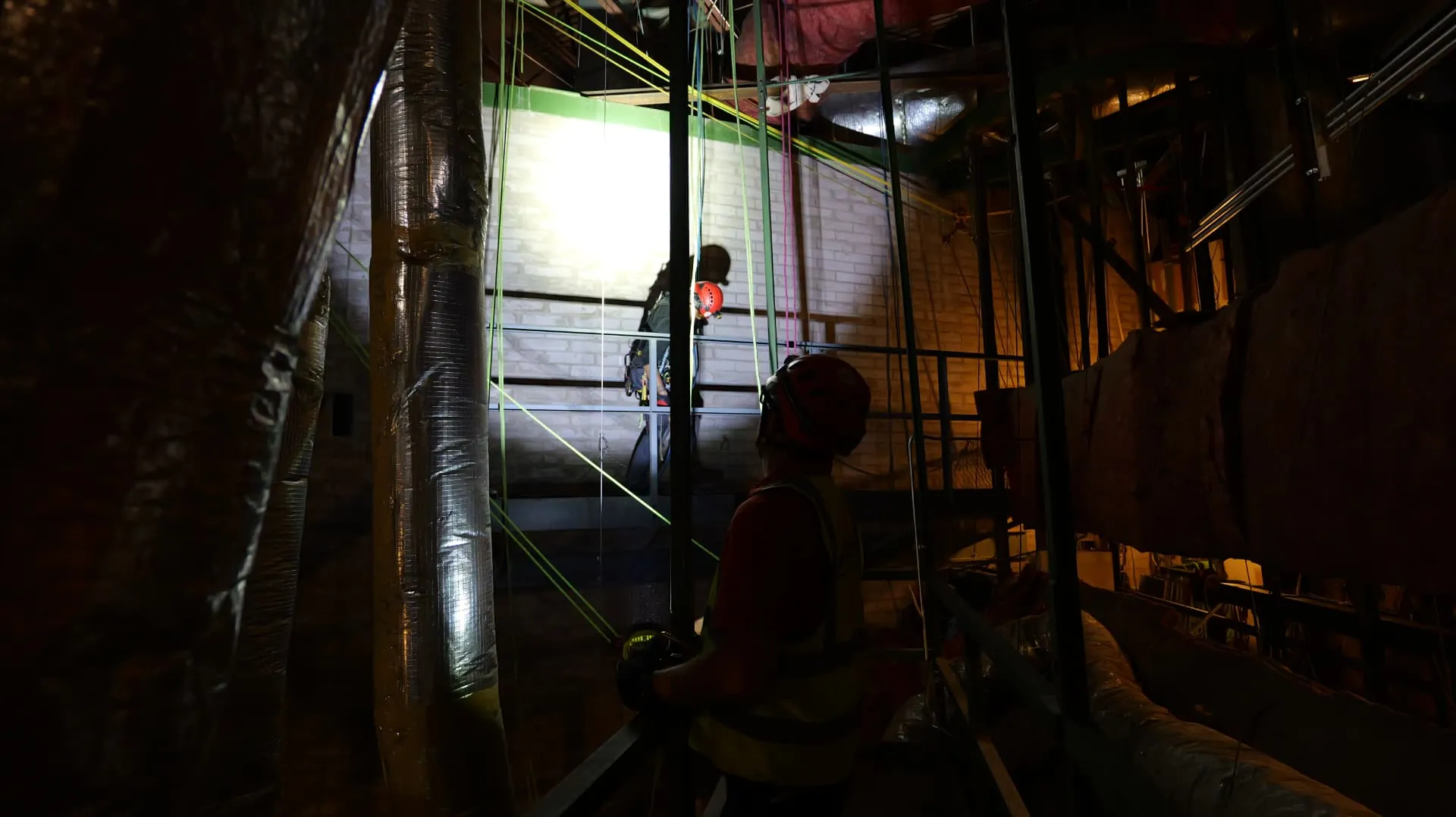
Fall Protection Must Match the Task
Fall exposure looks different on a tank roof, a transmission structure, a partially erected steel frame, and a shaft opening. The protective method has to match how personnel reach the position, how long they stay there, and what they are doing while exposed.
ARS supports planning and evaluation around fall exposure, work positioning, access approach, anchor considerations, fall-protection methods, equipment selection, rescue considerations, and project-specific conditions.
This is technical safety consulting and project support. Where certified engineering review of a specific installation is required, ARS identifies it so the project can address it appropriately.
- Fall Exposure Review
- Work Positioning
- Access Approach
- Anchor Considerations
- Equipment Suitability
- Rescue Preparedness
01
Policy
Organizational safety expectations
02
Procedure
How the work is actually controlled
03
Plan
Project-specific application
04
Training
Competency for the task
05
Field Application
What happens on the job
Build Safety Programs Around Real Operations
ARS supports program evaluation, safety procedure development, project-specific planning, and the specialized programs that generic templates rarely cover well , confined-space entry, working at height, rope access, rescue, and fall-protection considerations.
Program work also surfaces training needs. Where competency gaps appear, ARS can scope technical safety training and rescue program development around the work the organization actually performs.
A written program matters only if it can be understood and applied in the field.
Safety Support Tailored to the Project
Engagements are assembled from three areas of support and scaled to the scope, duration, and risk profile of the work.
Planning
- Project Safety Review
- Hazard Assessment
- Work-Method Review
- Access Considerations
- Rescue Requirements
Field Support
- Project Safety Oversight
- Site Observation
- Contractor Coordination
- Changing-Condition Review
- Safety Communication
Program Support
- Program Evaluation
- Procedure Development
- Safety Planning
- Training Needs
- Specialized Work Programs
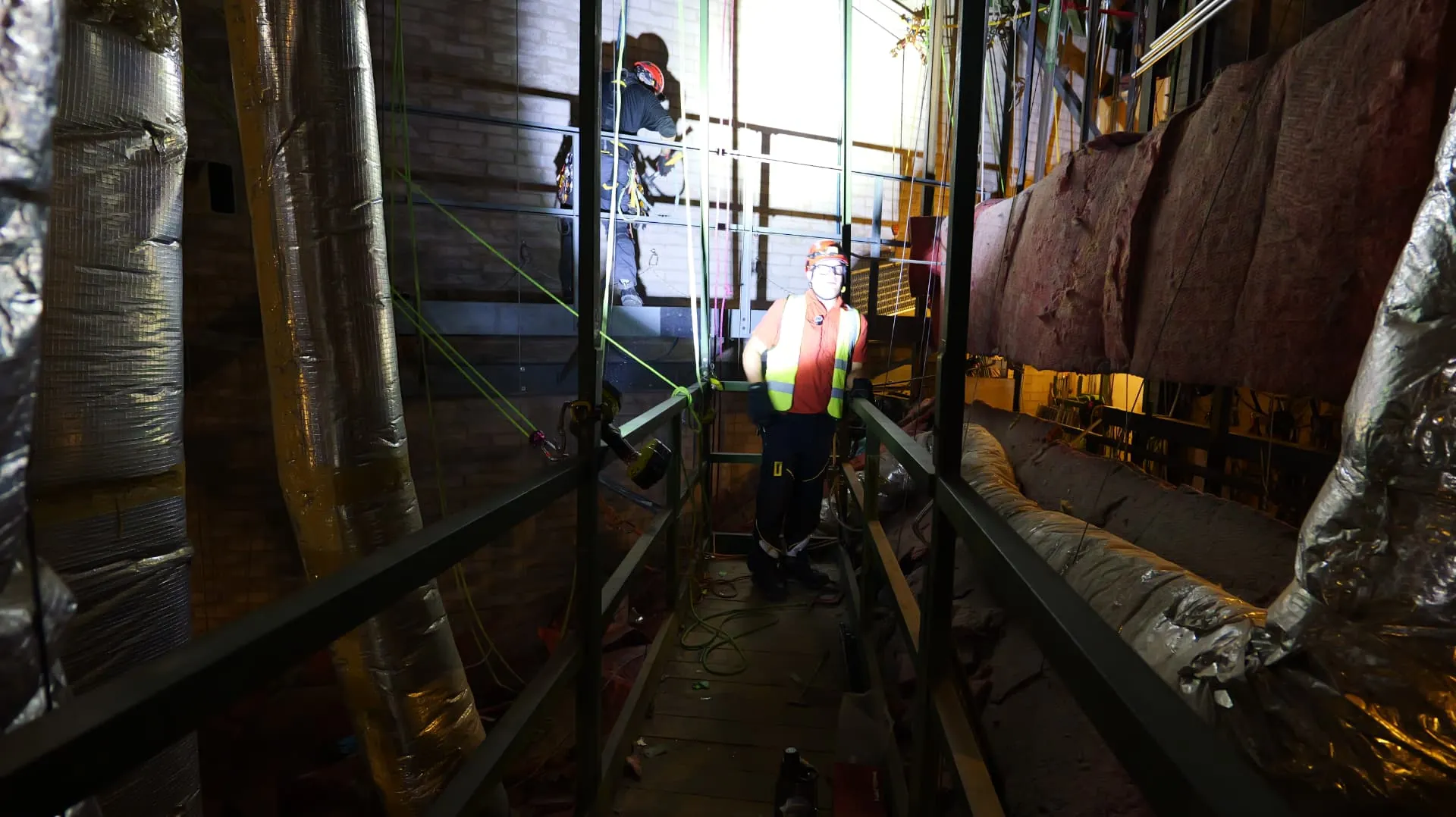
Safety Support for Complex Operations
Sectors where ARS safety consulting and project oversight are most frequently requested. Further detail is available on the industries served page.
- Power & Utilities
- Water & Wastewater
- Industrial & Manufacturing
- Oil, Gas & Petrochemical
- Construction & Infrastructure
- Telecommunications
- Government & Municipal
- Specialized Facilities
- Maintenance, Shutdowns & Outages
A Safety and Technical Partner, Not a Staffing Source
ARS combines field experience, specialized access, rescue capability, construction knowledge, formal safety systems, and project safety planning to support complex work in real operating environments. For executives, general contractors, safety professionals, risk managers, facility owners, and utility and infrastructure teams, that means one organization can evaluate the exposure, plan the controls, prepare the rescue capability, and remain involved through execution.
- ~20 Years
- Professional field experience
- 2015 Established
- American Rescue and Safety LLC
- 330310 AZ ROC
- Class A General Engineering Contractor
Arizona ROC 330310 · Class A General Engineering Contractor · Verify Arizona ROC 330310
Industrial & Construction Experience
Safety input shaped by active industrial facilities, construction sequencing, and maintenance work.
Rope Access Expertise
Practical understanding of specialized access systems and how they interact with the work being performed.
Confined Space & Rescue Capability
Rescue-informed planning rather than rescue treated as a separate document.
Working-At-Height Experience
Fall exposure, positioning, anchors, and rescue considerations evaluated together.
U.S. + International Capability
Support for qualifying projects beyond Arizona, including national and international scopes.
Field-Level Implementation
Recommendations written so crews and supervisors can apply them on the job.
Safety Consulting FAQs
Safety requirements vary by scope, facility, and schedule. ARS can help determine what a specific project needs.
Bring ARS in Before the Work Begins
Tell us about the project, work scope, hazards, access requirements, schedule, and safety challenges. ARS can help evaluate the operation and determine the appropriate level of planning, oversight, and technical safety support.
Headquartered in Litchfield Park, Arizona, serving the Phoenix metropolitan area and supporting qualifying industrial, construction, utility, and infrastructure projects across the U.S. and international markets.