Training Built For
Real Field Conditions
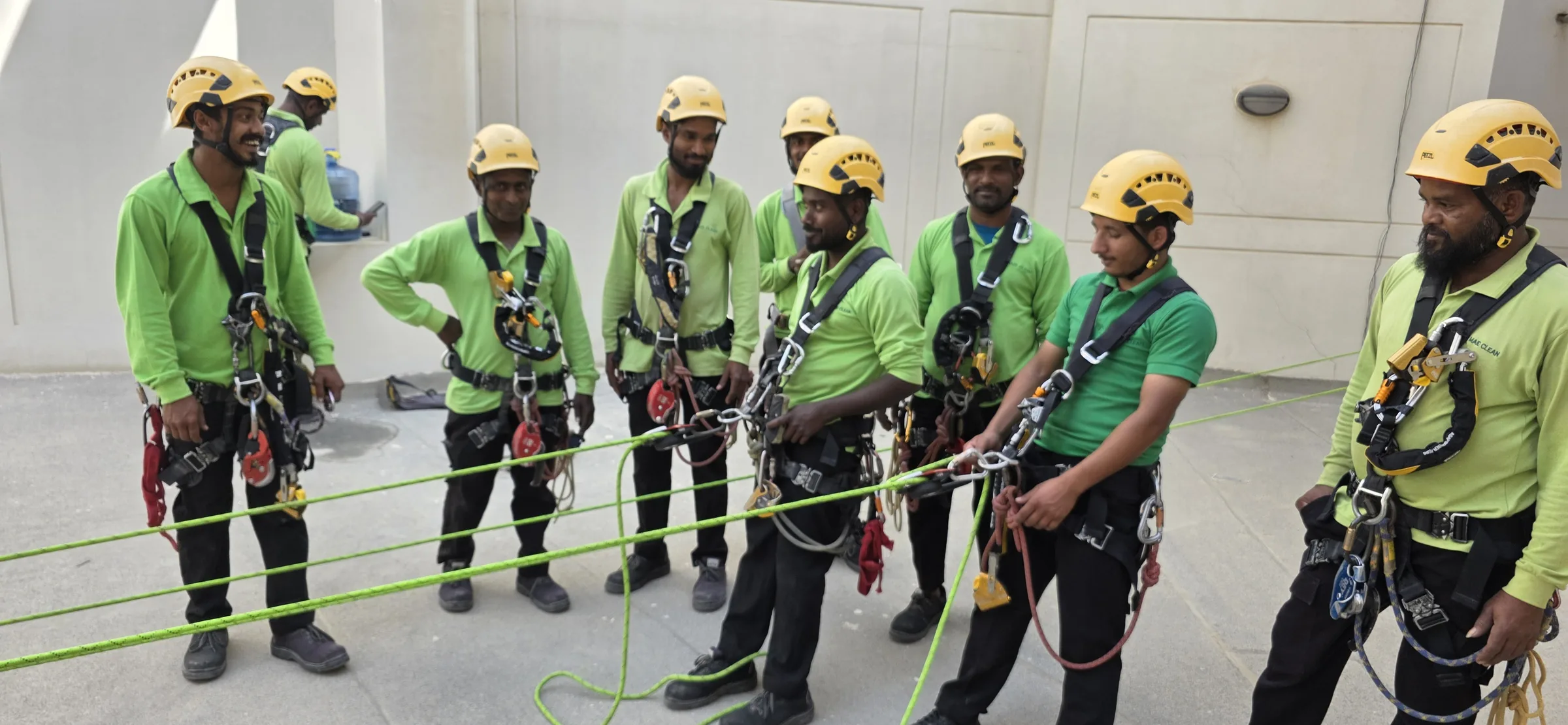
Hands-on training in rope access, rescue systems, confined spaces and worker recovery.ARS provides hands-on technical training focused on rope access, rescue systems, confined spaces, worker recovery, equipment, and the practical skills required for complex work environments.
Technical Skills Need Practical Application
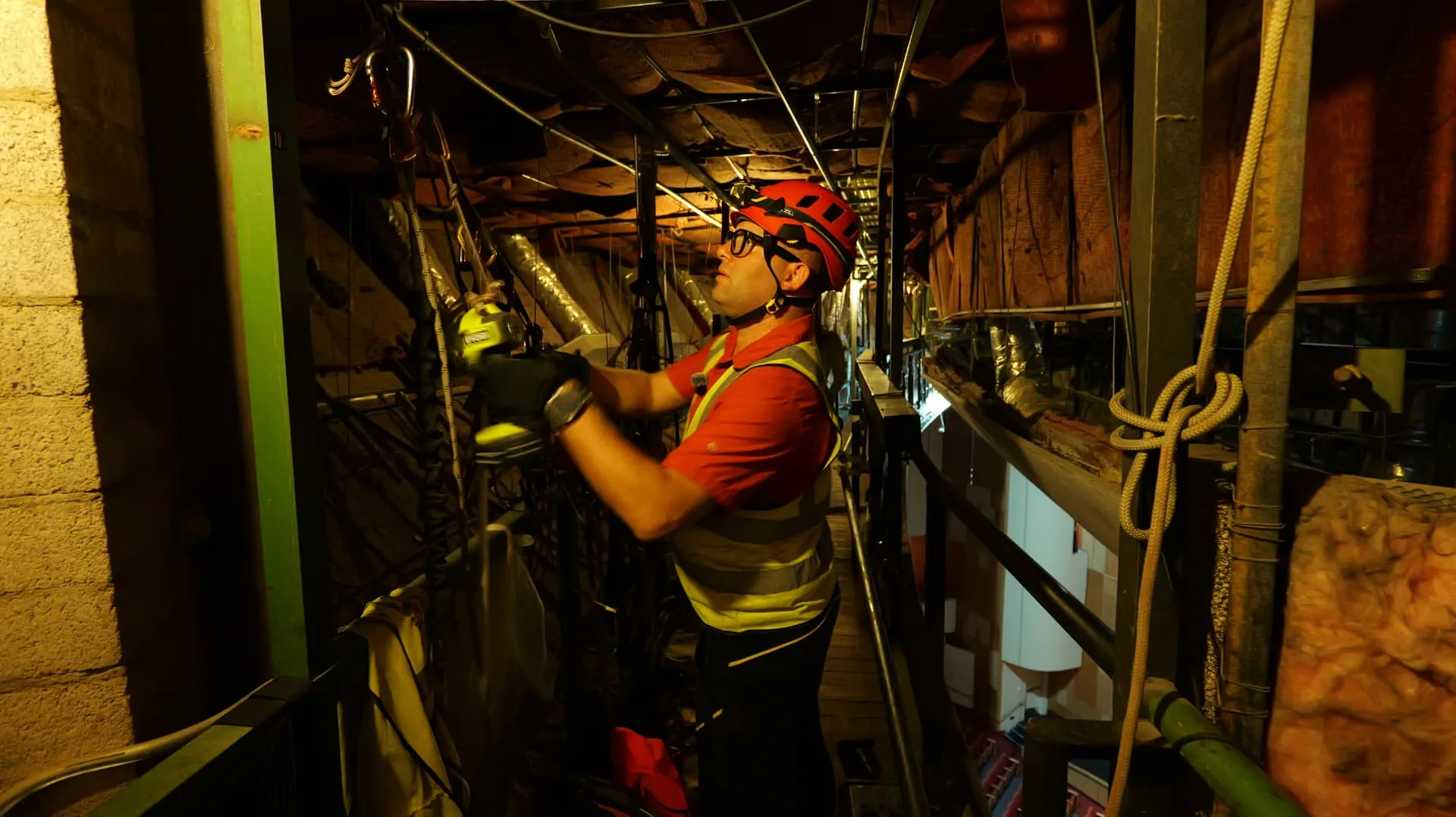
Specialized access and rescue competency requires more than understanding a written procedure. The work happens with real equipment, on real structures, in conditions that rarely match a diagram.
Training should connect equipment, systems, communication, movement, rope access, rescue, and inspection to the environments where the work is actually performed, including how those elements change when conditions do.
Training should prepare people to understand the system, not simply repeat the steps.
Technical Training Across Access & Rescue
Training focused on rope systems, equipment, movement, access techniques, rescue considerations, and the technical practices associated with professional rope-access work.
- SPRAT Rope Access
- Rope Access Skills
- Rope Access Rescue
- Equipment Inspection
Hands-on rescue training involving rope systems, worker recovery, movement, rescue techniques, equipment, and decision-making for technically demanding environments.
- Rope Rescue
- Advanced Rescue Skills
- Worker Rescue
- Rope Access Rescue
Training focused on rescue capability in restricted environments where access, communication, equipment, movement, and rescue-system preparation must work together.
- Confined Space Rescue
- Worker Rescue
- Rescue Preparedness
- Technical Rescue Skills
Training for elevated work environments where fall exposure, worker positioning, access, recovery, and rescue capability must be considered as part of the same system.
- Fall Protection Recovery
- Cage Ladder Rescue
- Tower Rescue
- Worker Recovery
Advanced rope rigging and rescue-system training covering anchors, mechanical advantage, load management, and the system decisions behind technically demanding rescues.
- Advanced Rope Rigging
- Anchor Systems
- Mechanical Advantage
- Rescue System Design
Rescue-team development and customized industrial training built around a facility's own spaces, equipment, personnel, and rescue expectations so competency transfers directly to the work.
- Rescue Team Training
- Customized Industrial Training
- Site-Specific Scenarios
- Facility Equipment
Learn the System by Working the System
Practical technical training is built around doing the work, handling the equipment, building the system, and moving through it under instruction.
- Equipment Setup
- Rope Systems
- Movement
- Positioning
- Rescue Techniques
- Communication
- Inspection
- Scenario Application
Content varies with the training discipline and the operational need being addressed, including scenarios drawn from confined space rescue operations.
Training Connects Knowledge to Action
Understand
- Equipment
- Hazards
- System purpose
- Responsibilities
Prepare
- Equipment setup
- Inspection
- Communication
- System configuration
Practice
- Movement
- Positioning
- Rescue techniques
- Scenario application
Apply
- Field awareness
- Decision-making
- System understanding
- Adaptation
Rope Access Training with Rescue in Mind
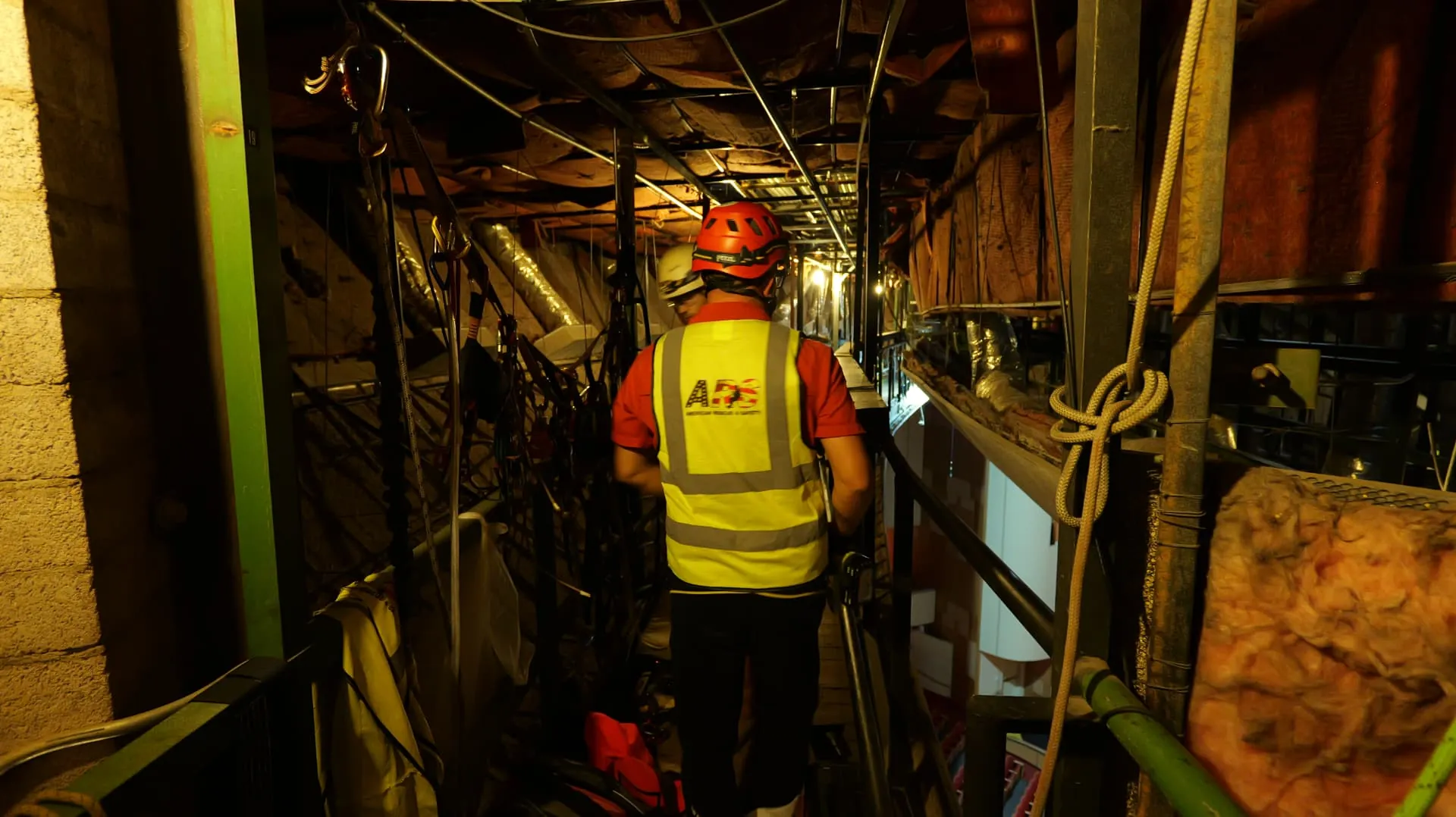
Rope access training addresses the systems themselves, anchors, rigging, equipment, movement on rope, positioning at the work location, and the inspection practices that keep the system trustworthy. Rescue is treated as part of the system rather than an afterthought.
- Rope Access Systems
- Movement & Positioning
- Equipment Use
- Inspection Practices
- Rescue Considerations
- Working At Height
SPRAT rope access training and SPRAT-aligned practices supporting professional rope-access competency. Certification is administered by SPRAT.
Prepare for the Rescue Before It Is Needed
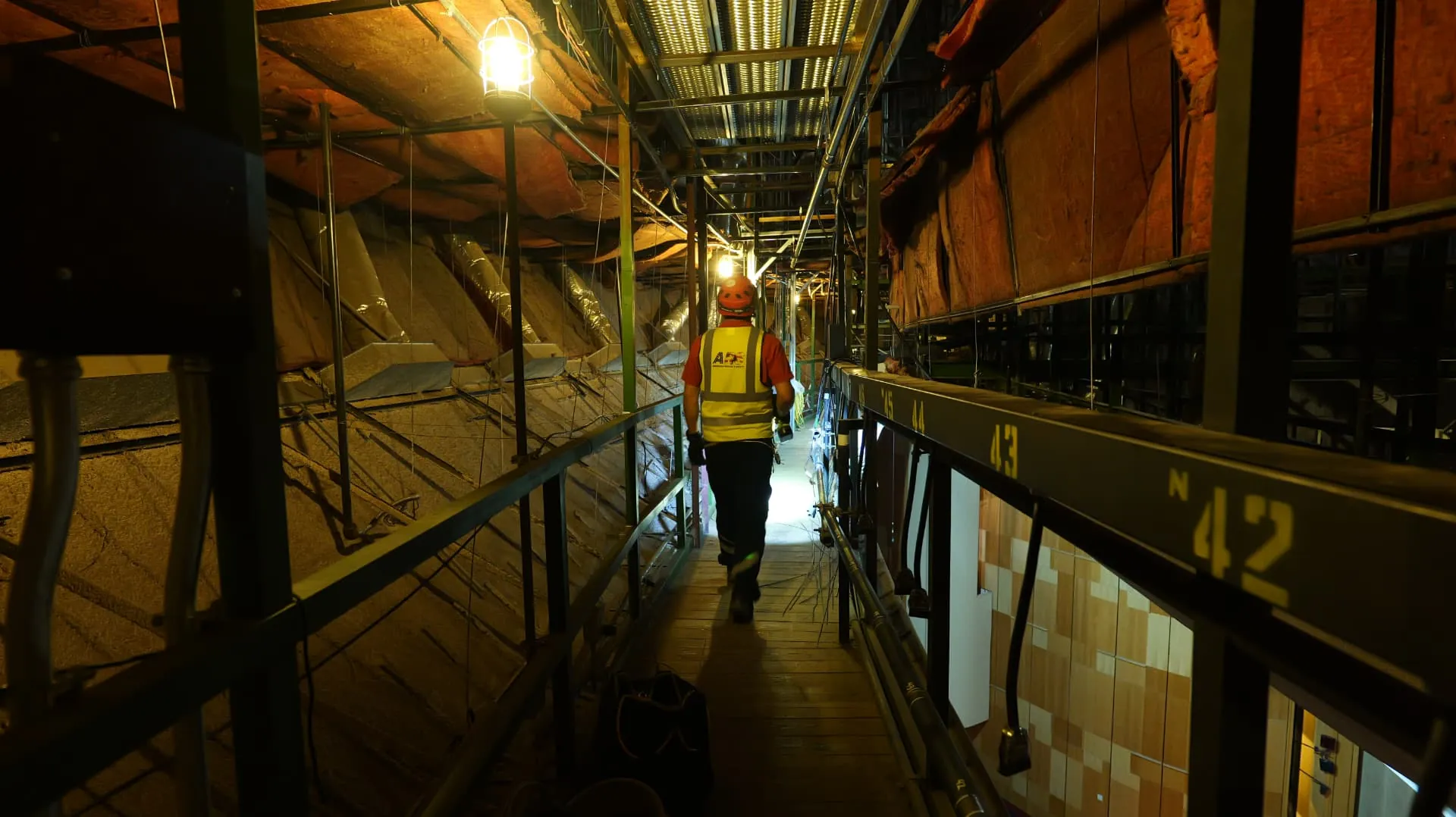
Rope Rescue
Technical rope systems, movement, recovery, and rescue techniques.
Confined Space Rescue
Rescue capability for restricted environments involving specialized access, communication, equipment, and movement.
Elevated Worker Rescue
Worker recovery involving fall exposure, towers, cage ladders, elevated structures, and difficult-access conditions.
Know the Equipment Before You Depend on It
Equipment is only as reliable as the understanding behind it. Training addresses equipment condition, appropriate use, compatibility within a system, and the habits that catch a problem before the equipment is loaded.
That includes recognizing wear, damage, and misuse; understanding manufacturer limitations; and knowing when equipment should be removed from service rather than incorporated into an access or rescue system.
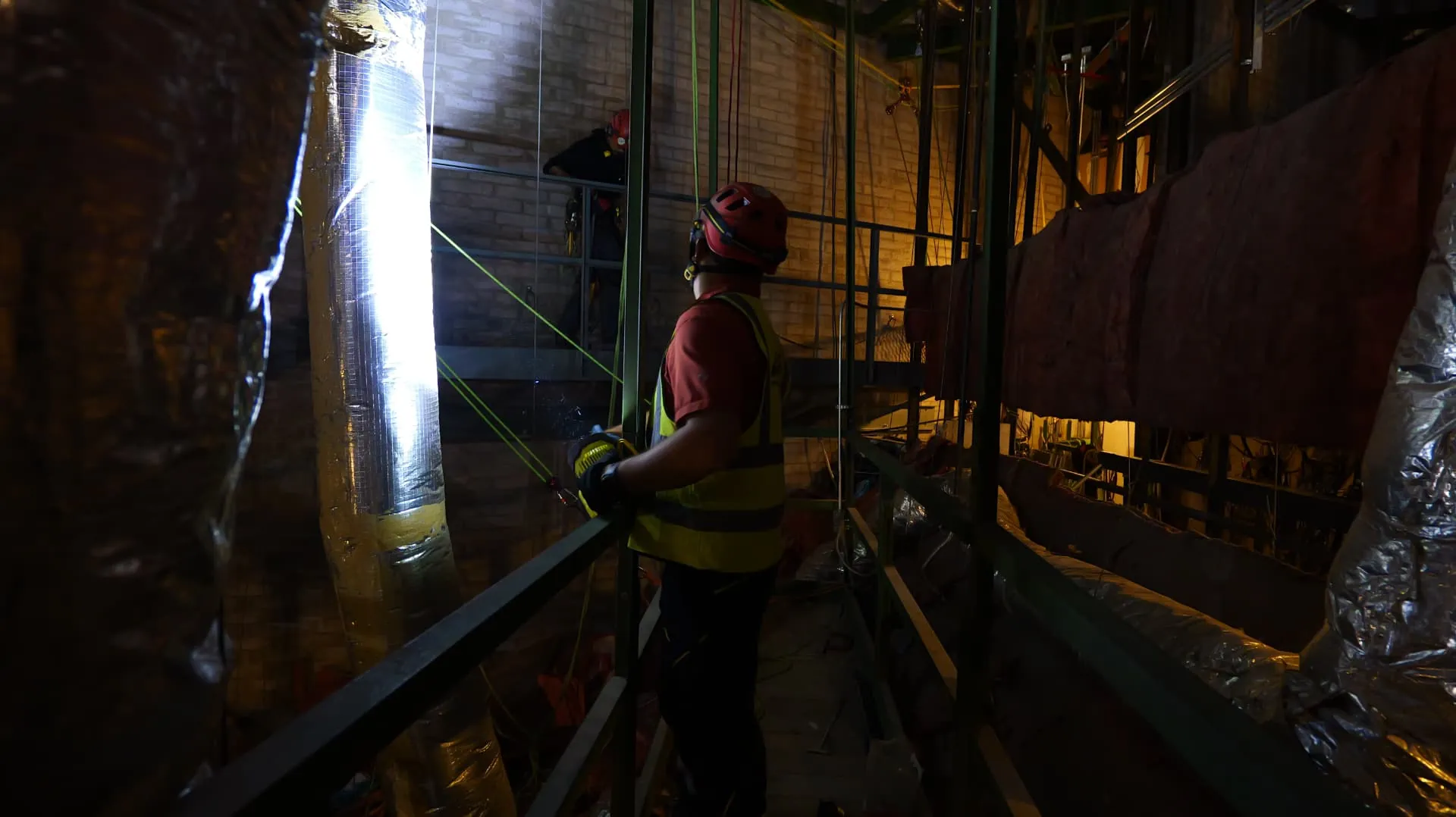
Skills for Complex Work Environments
Industrial Facilities
Process environments with equipment, elevation, and restricted access.
Utilities
Energy and utility assets where access and rescue planning matter.
Water & Wastewater
Tanks, basins, shafts, and permit-required entry conditions.
Construction & Infrastructure
Active sites with changing conditions and fall exposure.
Elevated Structures
Towers, steel, cage ladders, and structures at height.
Confined Spaces
Restricted environments requiring rescue-ready systems.
Difficult-Access Work
Locations where conventional access is limited or impractical.
Maintenance / Shutdowns
Outage and turnaround work with compressed schedules.
Related: industries we support.
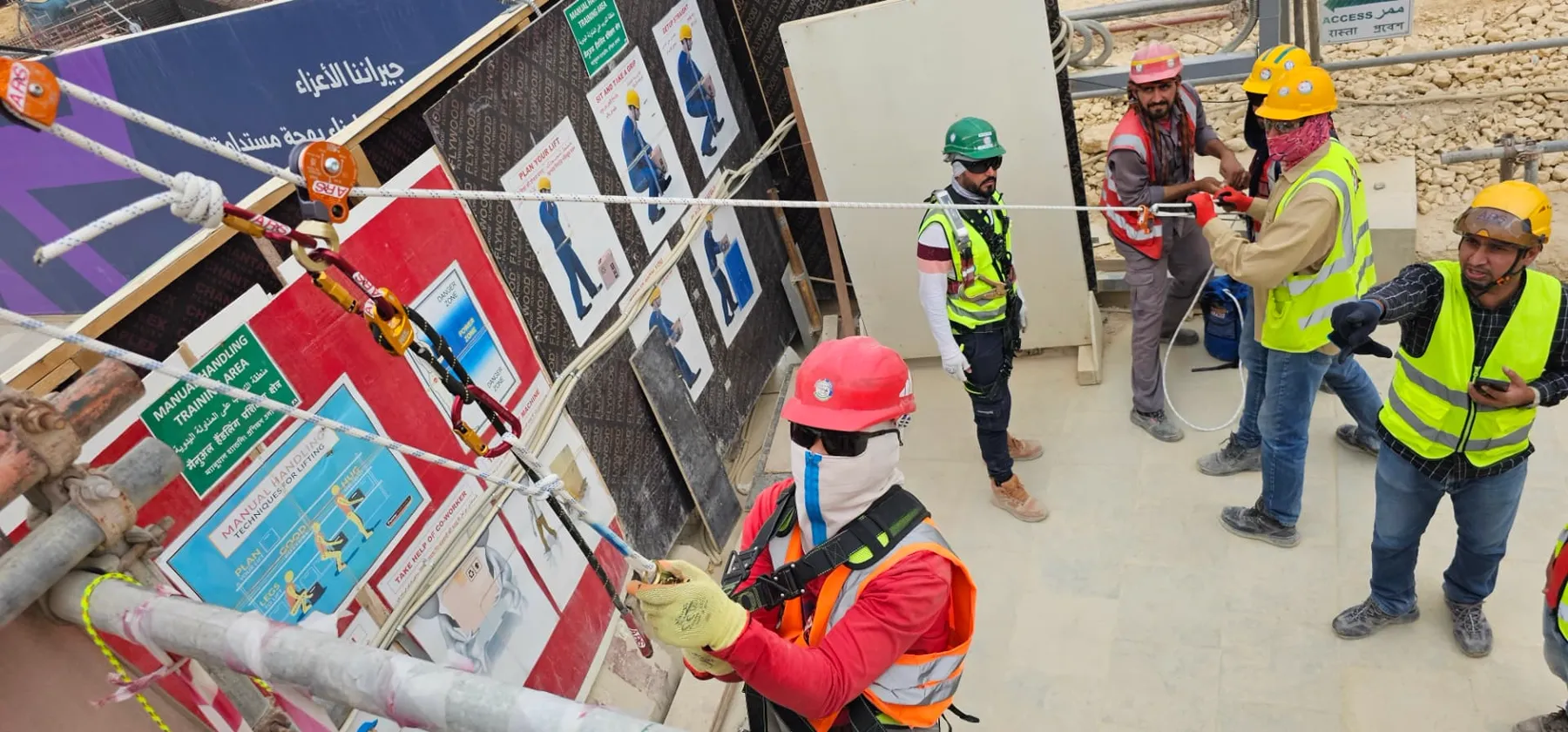
Built Around the Work People Perform
Training may be relevant to organizations or personnel involved with the following types of work. Requirements vary by employer, site, and operation.
- Rope Access
- Rescue Responsibilities
- Confined-Space Operations
- Work At Height
- Fall-Protection Recovery
- Industrial Maintenance
- Construction
- Utility Work
- Technical Safety Responsibilities
Training Works Best Inside a Strong Program
Training does not stand on its own. It sits alongside written procedures, the equipment actually in use, rescue planning, and how the work is implemented in the field, each one reinforcing or undermining the others.
Organizations may need more than a single training event. ARS can also support the development and evaluation of safety, access, and rescue programs around operational requirements.
Program Integration
- 01Training
- 02Procedures
- 03Equipment
- 04Rescue Planning
- 05Field Implementation
- 06Program Development
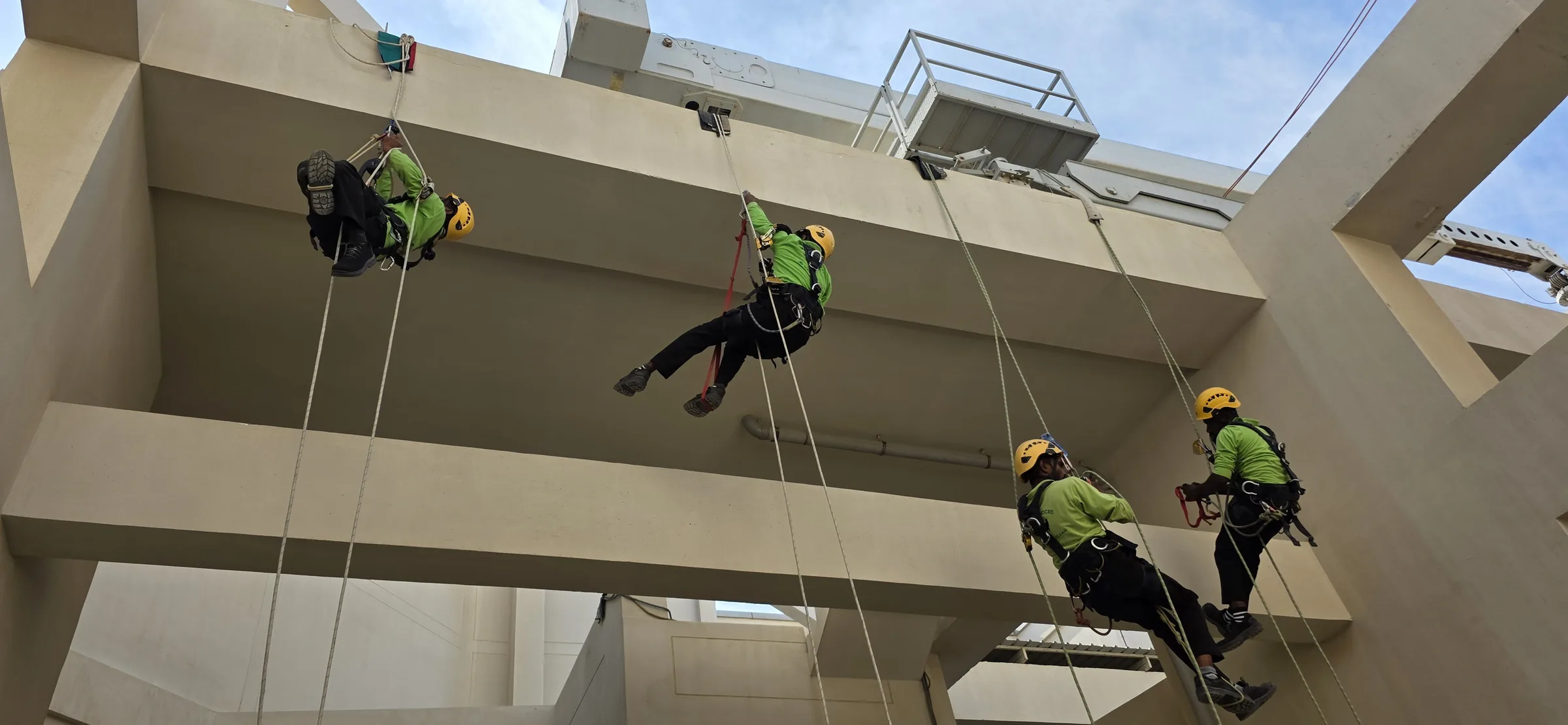
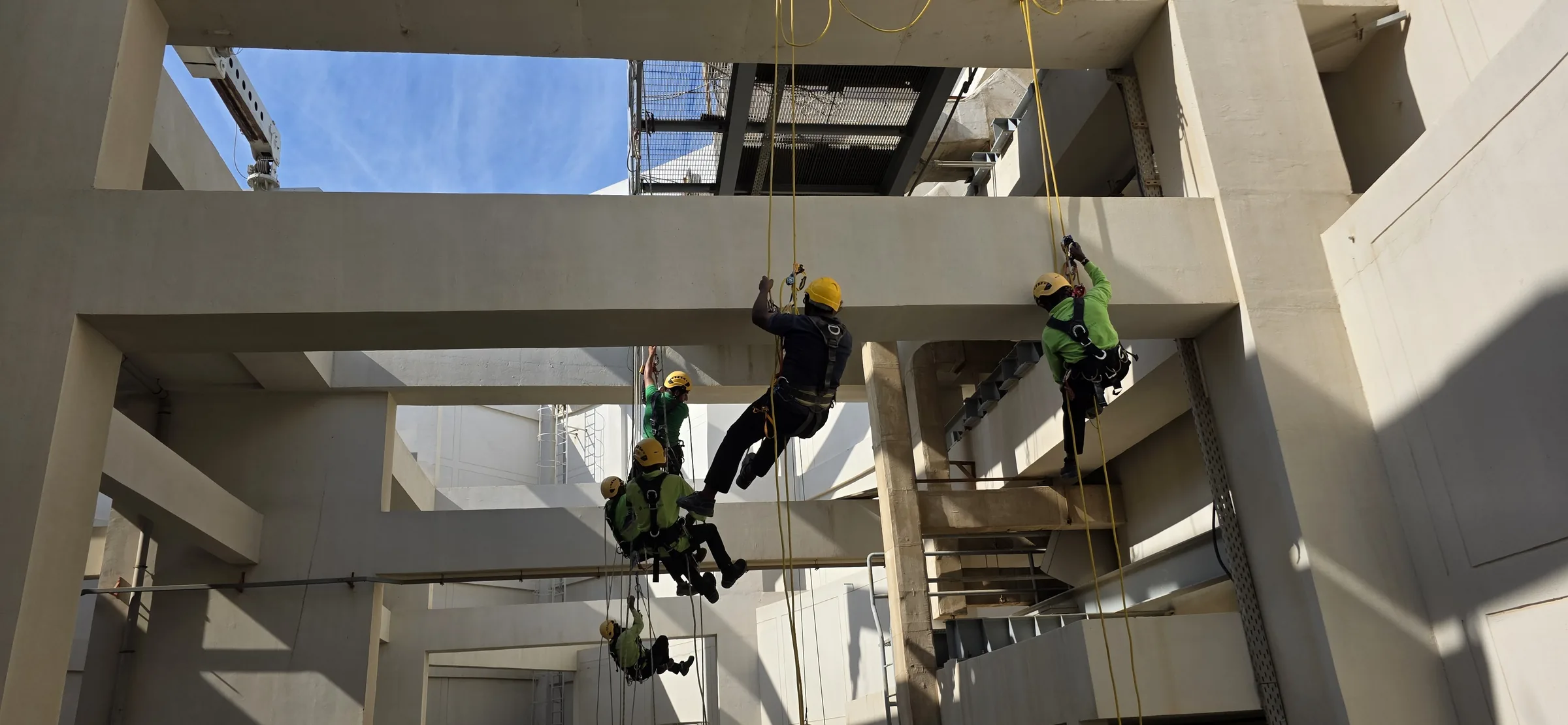
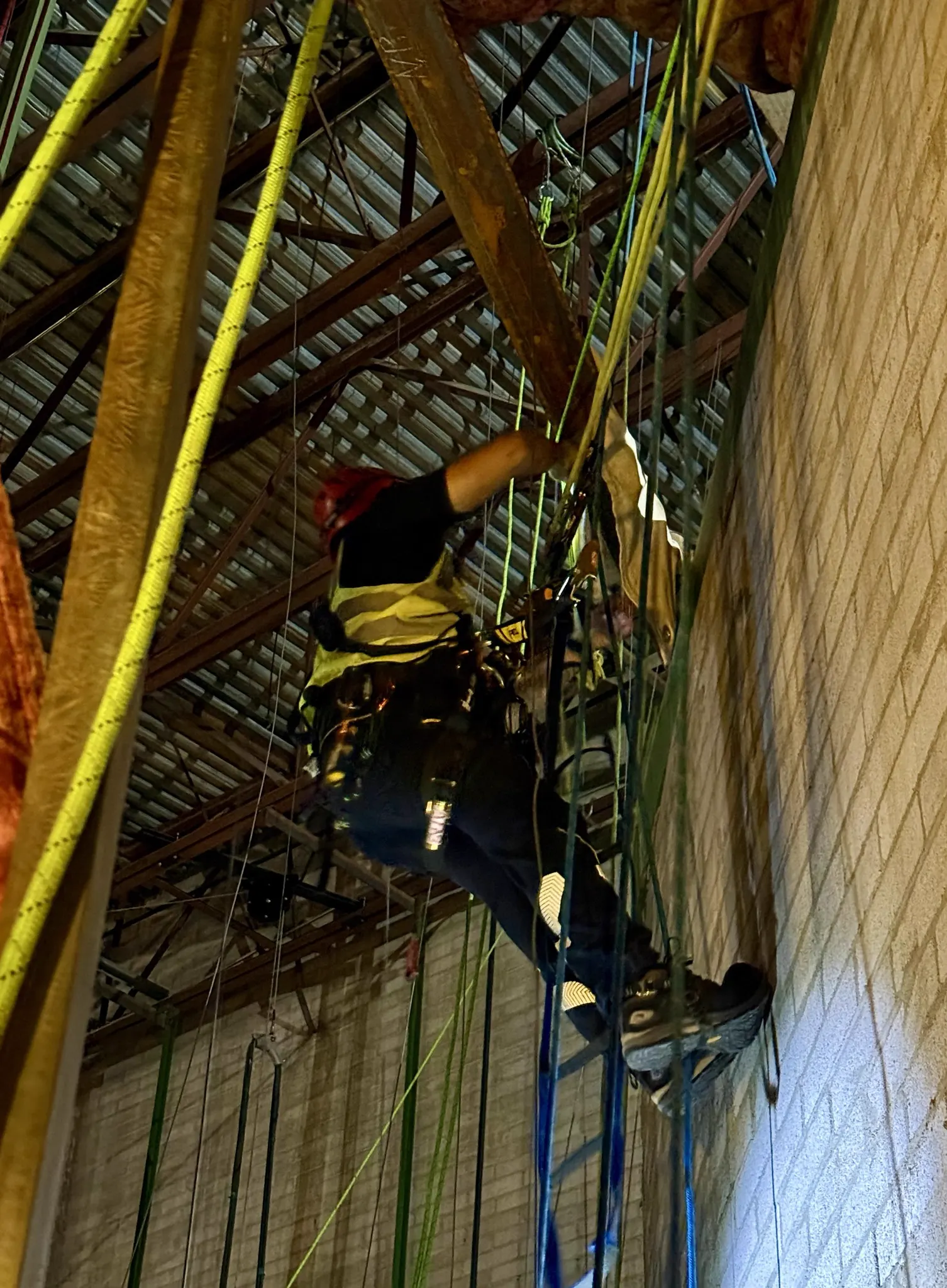
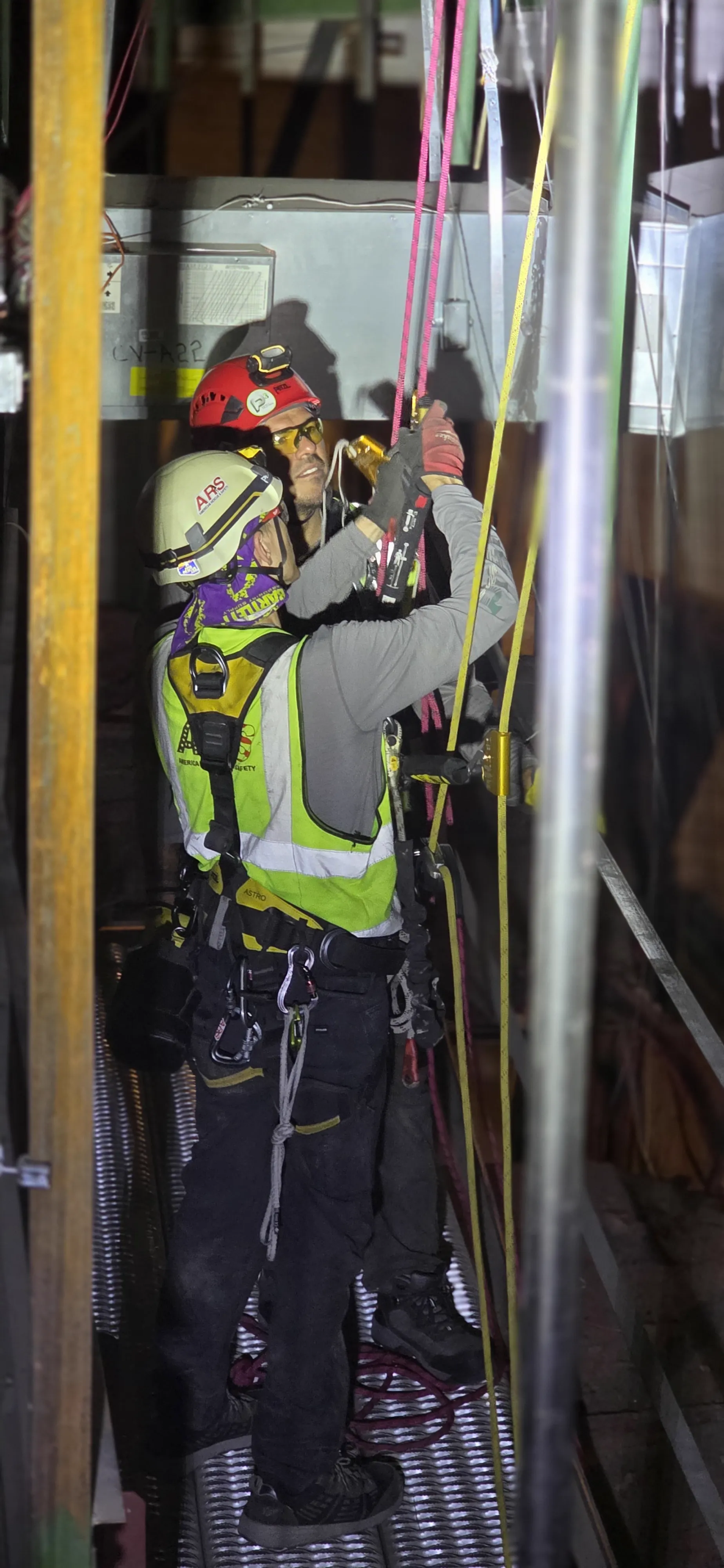
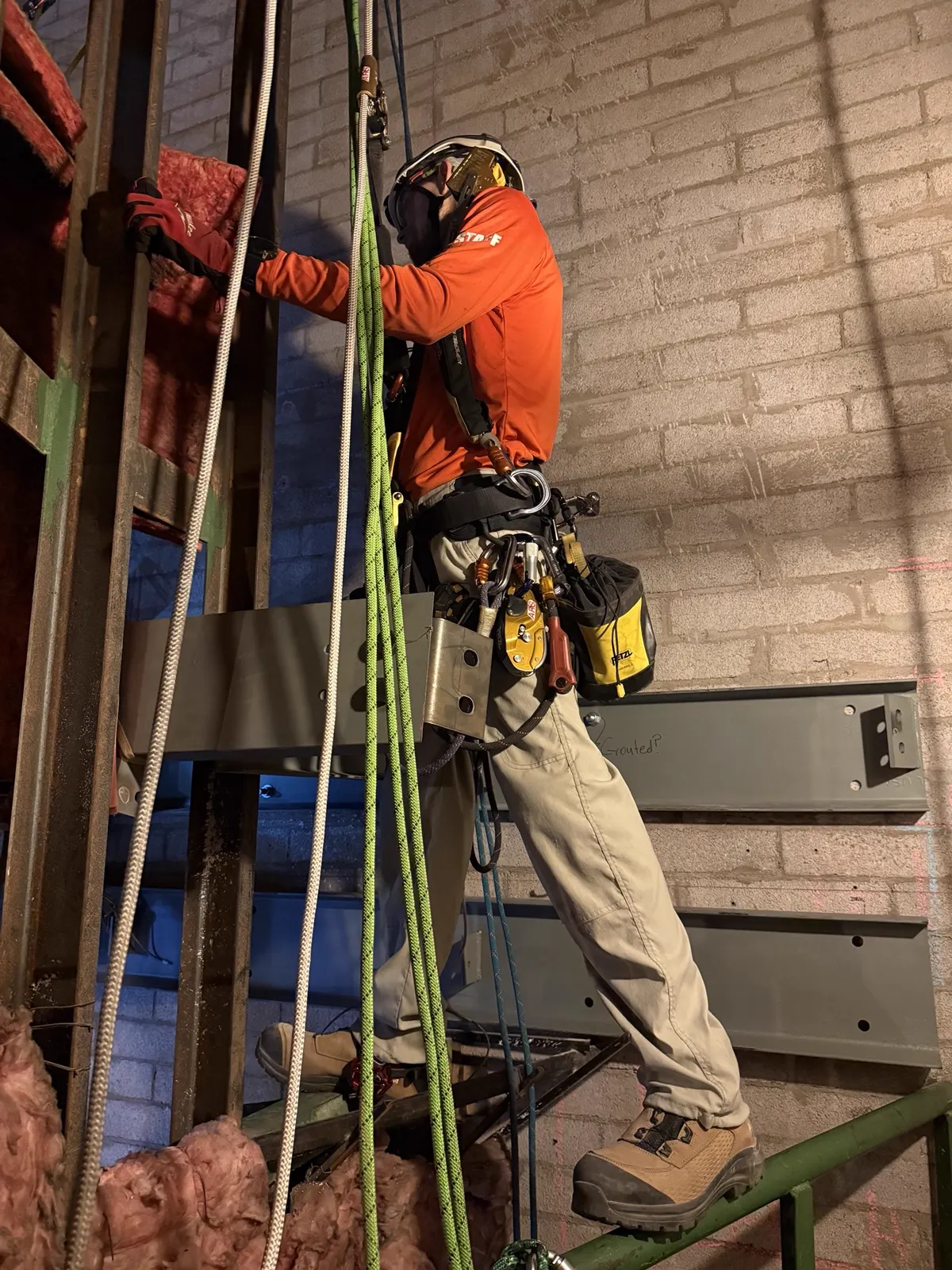
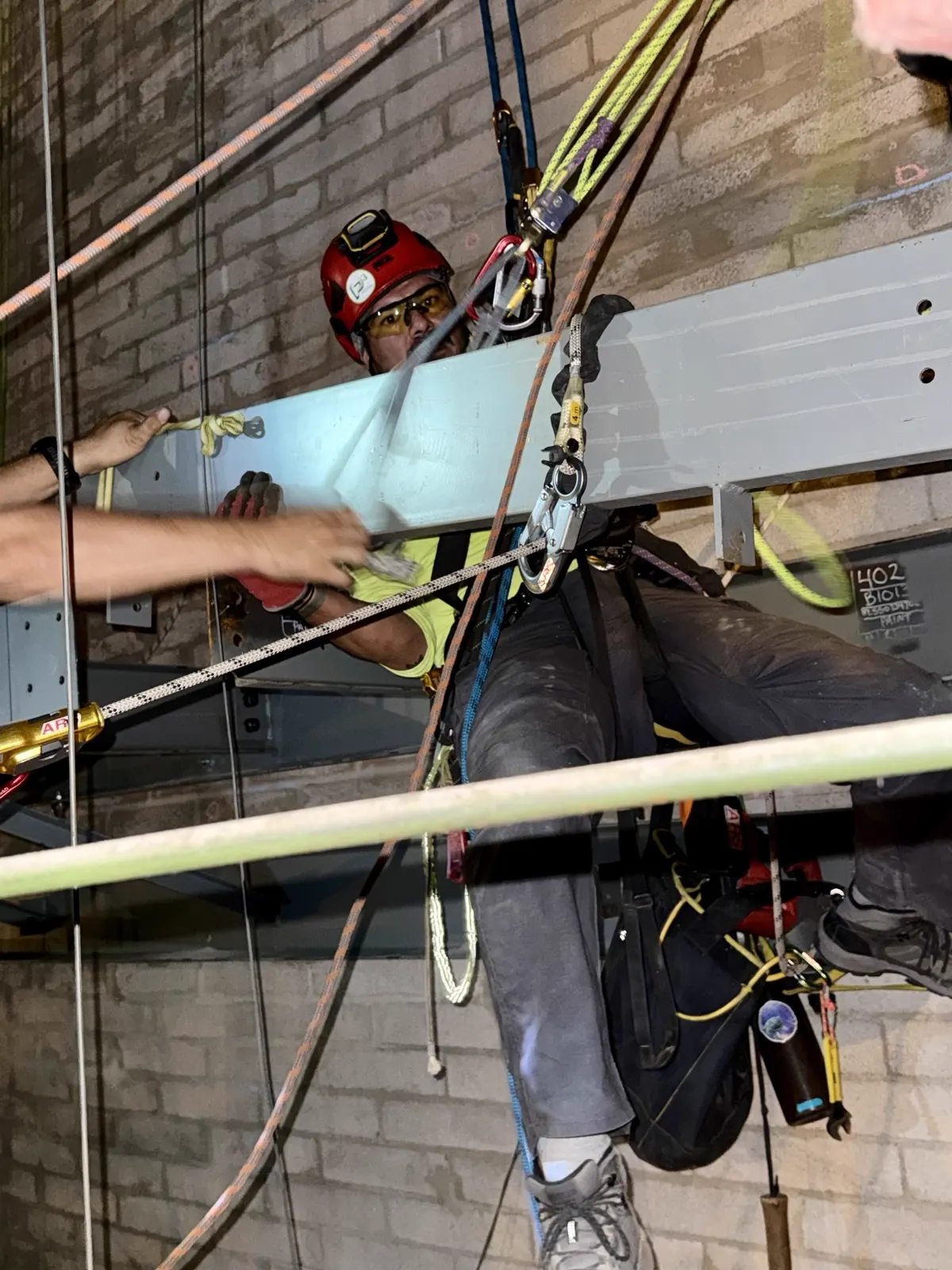
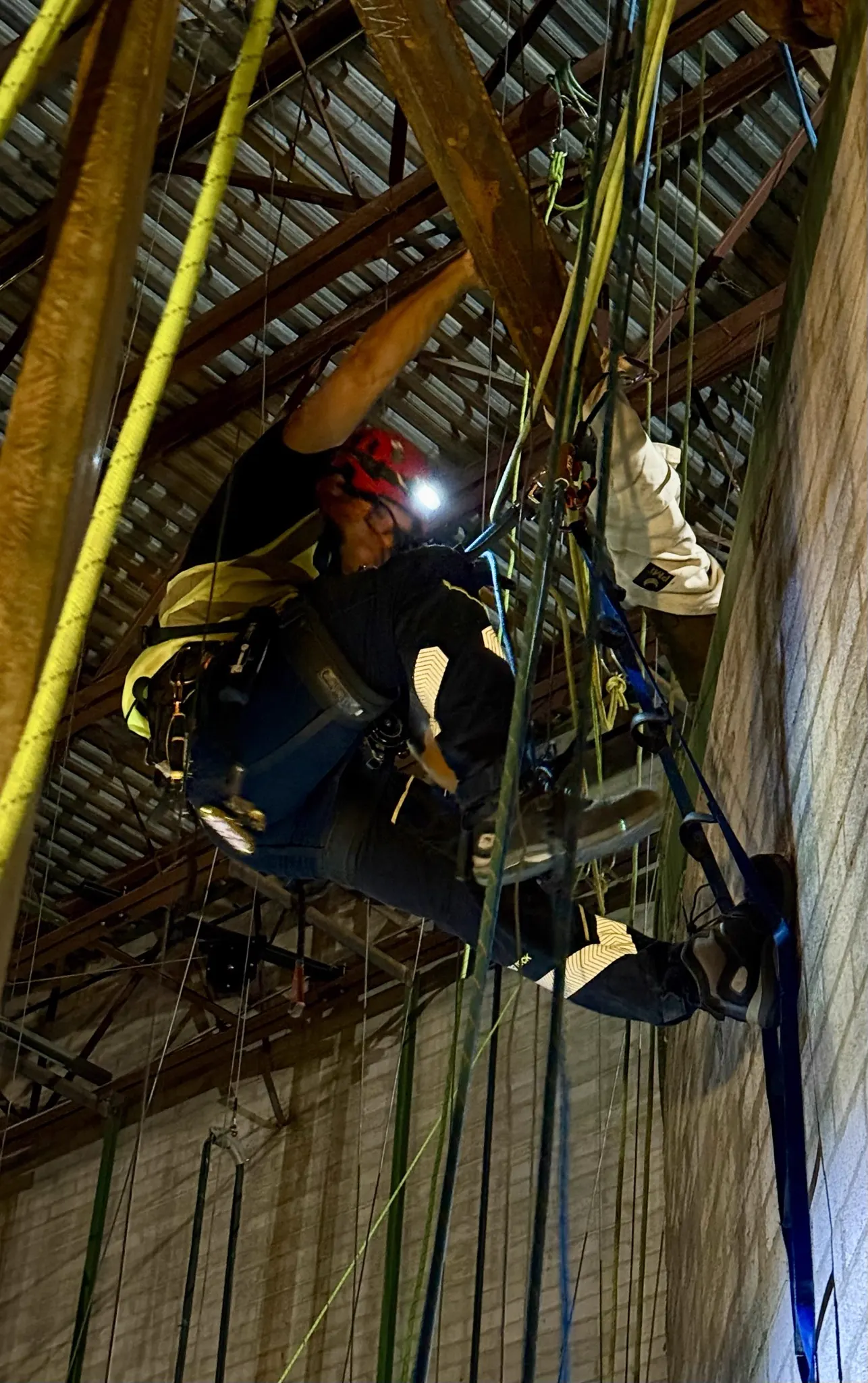
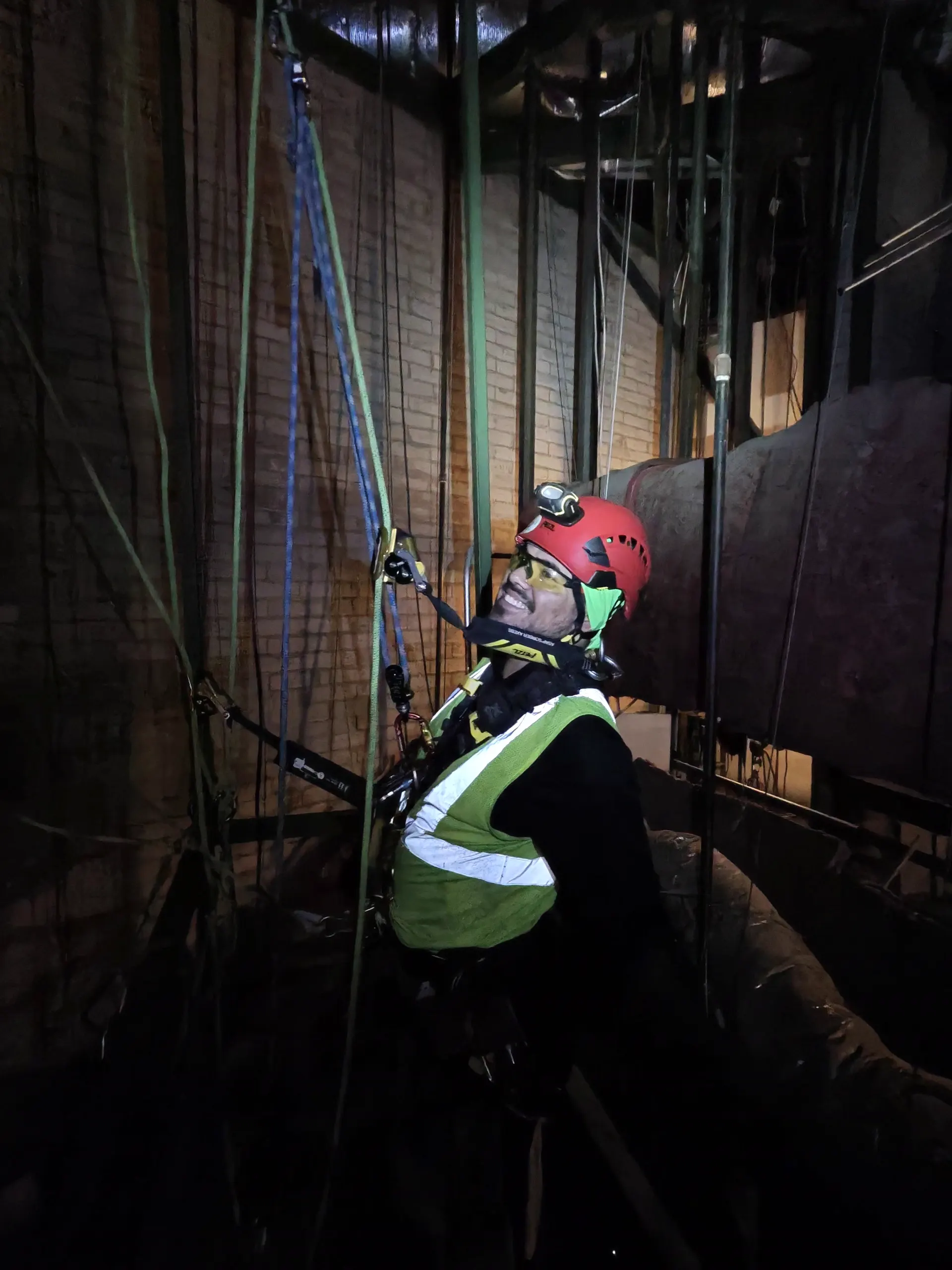
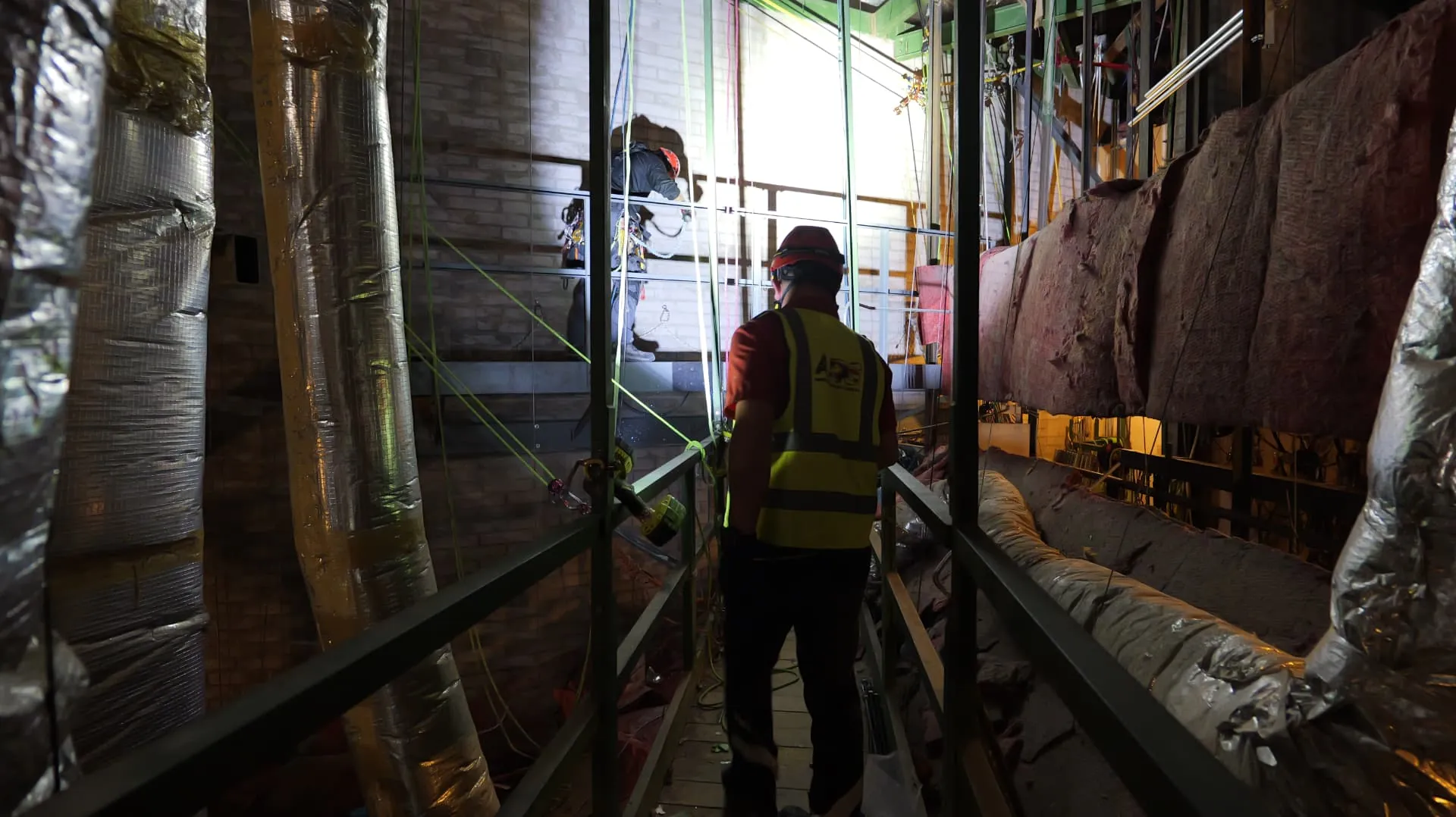
Technical Training in Practice
Questions About ARS Training
Scheduling, duration, and evaluation details are discussed directly around the training being requested.
Discuss Training Needs
Build Capability Before It Is Needed
Tell us about the work your personnel perform, the environments they operate in, and the access, rescue, or technical skills involved. ARS can help discuss training appropriate to the operational need.