Skip to content

Industrial Rope AccessFor Difficult Work

Industrial rope access and difficult-access solutions with SPRAT oversight and technical project support.

Need Rope Access Support?

Tell us about the access challenge and project scope.

Quick project request
Industrial Rope Access
Difficult Access
SPRAT Oversight
Working At Heights
Project Support
Specialized Access

Access Built Around the Work

Industrial work does not always happen where scaffolding, aerial lifts, cranes, or conventional platforms can easily reach.

ARS Rope Safety evaluates the work area, structure, access limitations, fall exposure, rescue requirements, personnel, equipment, and project scope before determining how rope access should be integrated into the operation.

Industrial rope access can provide technicians with controlled access to elevated, vertical, restricted, or geometrically complex work areas while minimizing the amount of conventional access infrastructure required where appropriate. Where the scope also involves restricted entries, the same team supports confined space and rescue services.

The objective is not to use ropes simply because the work is difficult. The objective is to develop the right access system for the project.

On some scopes that means rope access. On others it means conventional access with rope access reserved for the areas equipment cannot reach, or a combined approach staged across the work window. ARS makes that determination against the structure, the task duration, the fall exposure and the recovery plan, then documents the reasoning so the project team can evaluate it.
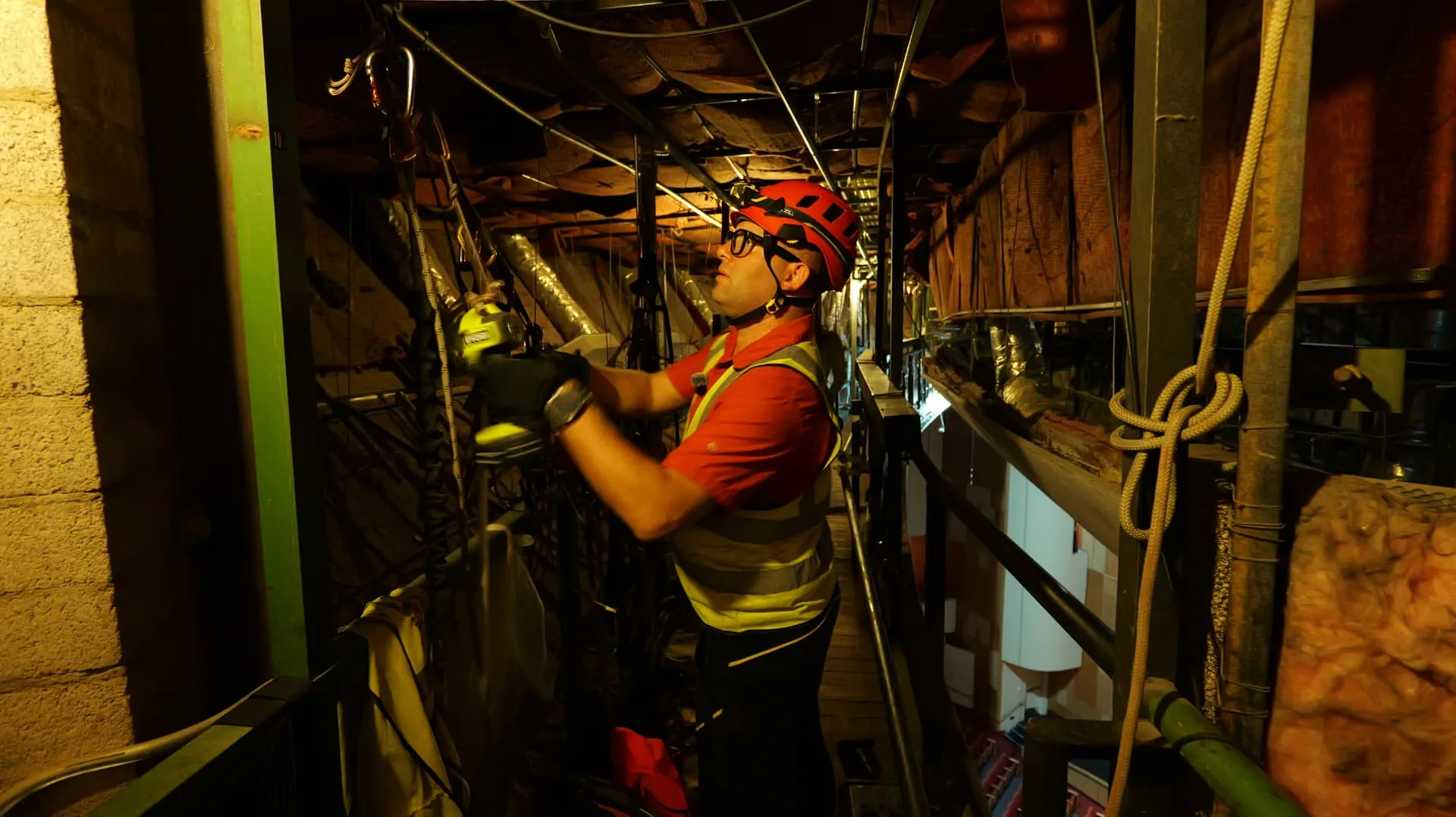
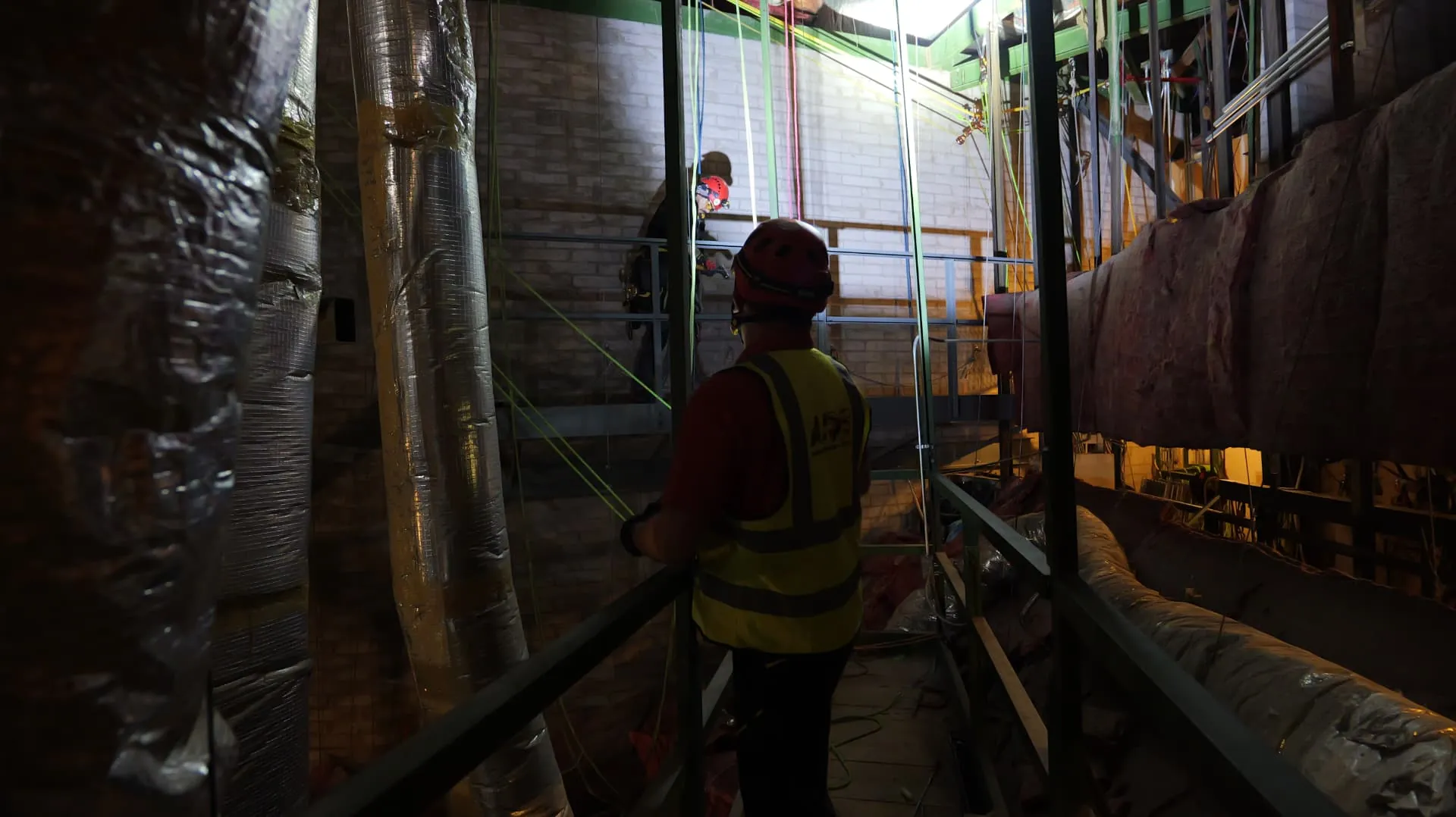
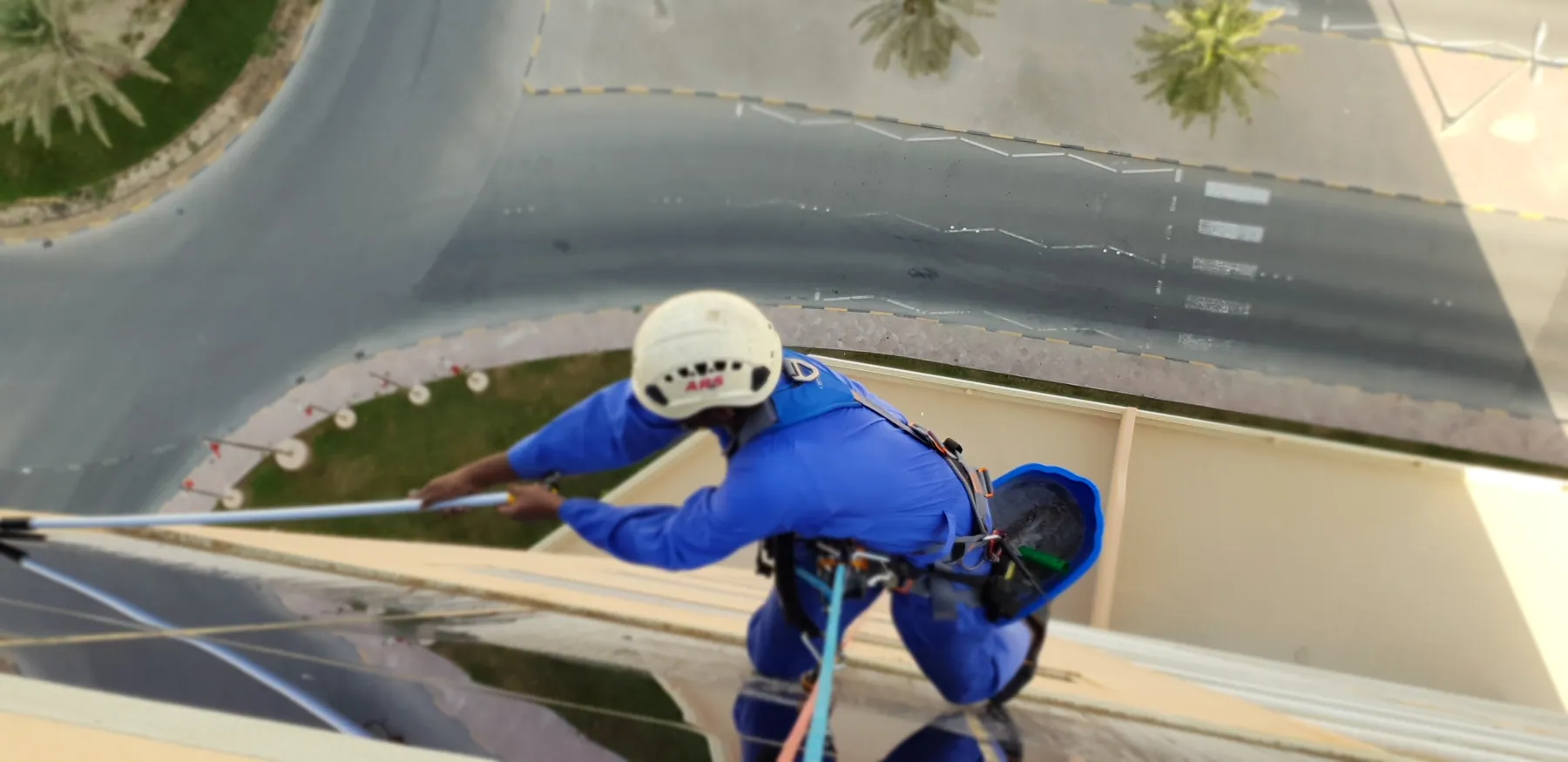
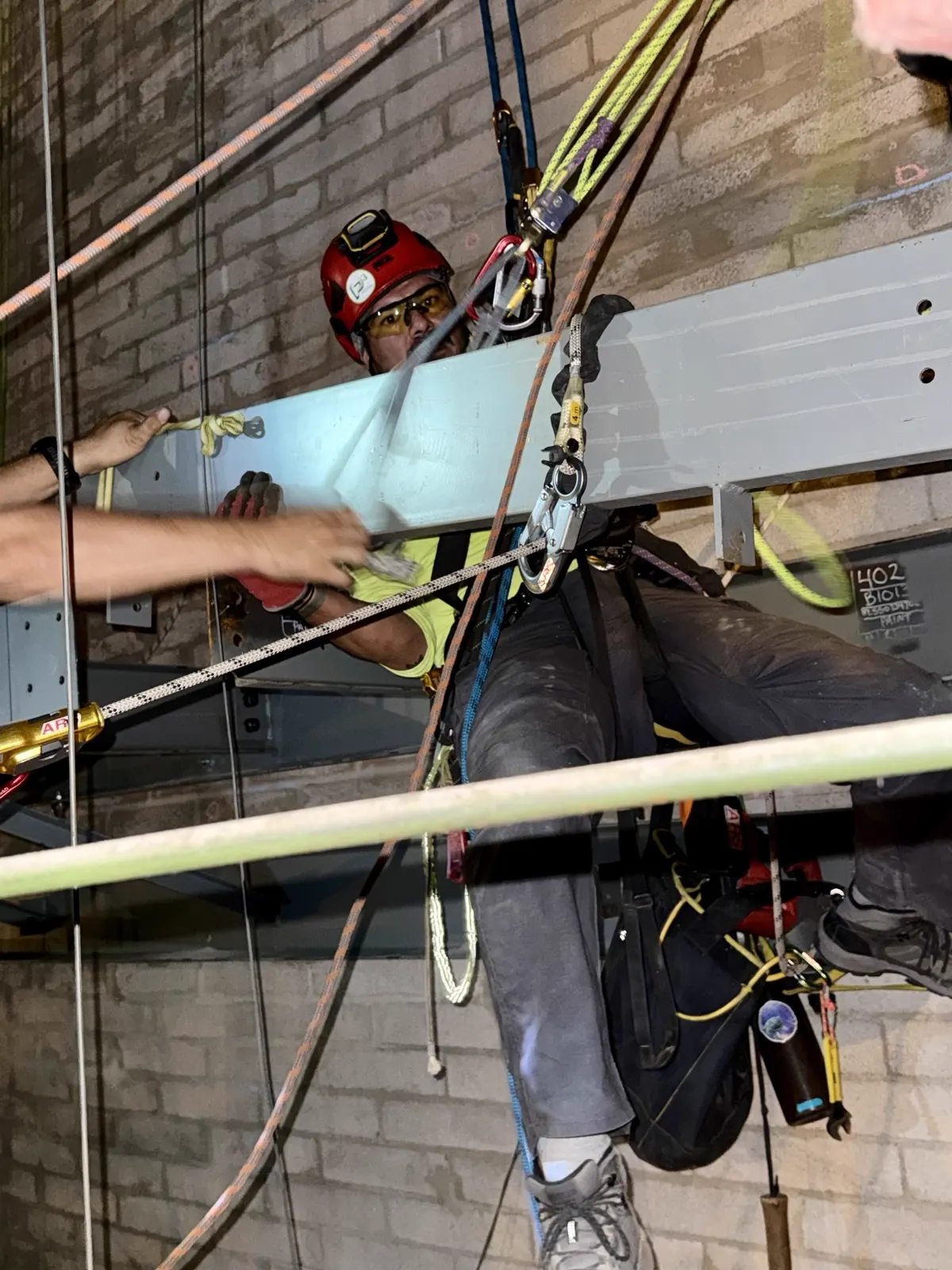
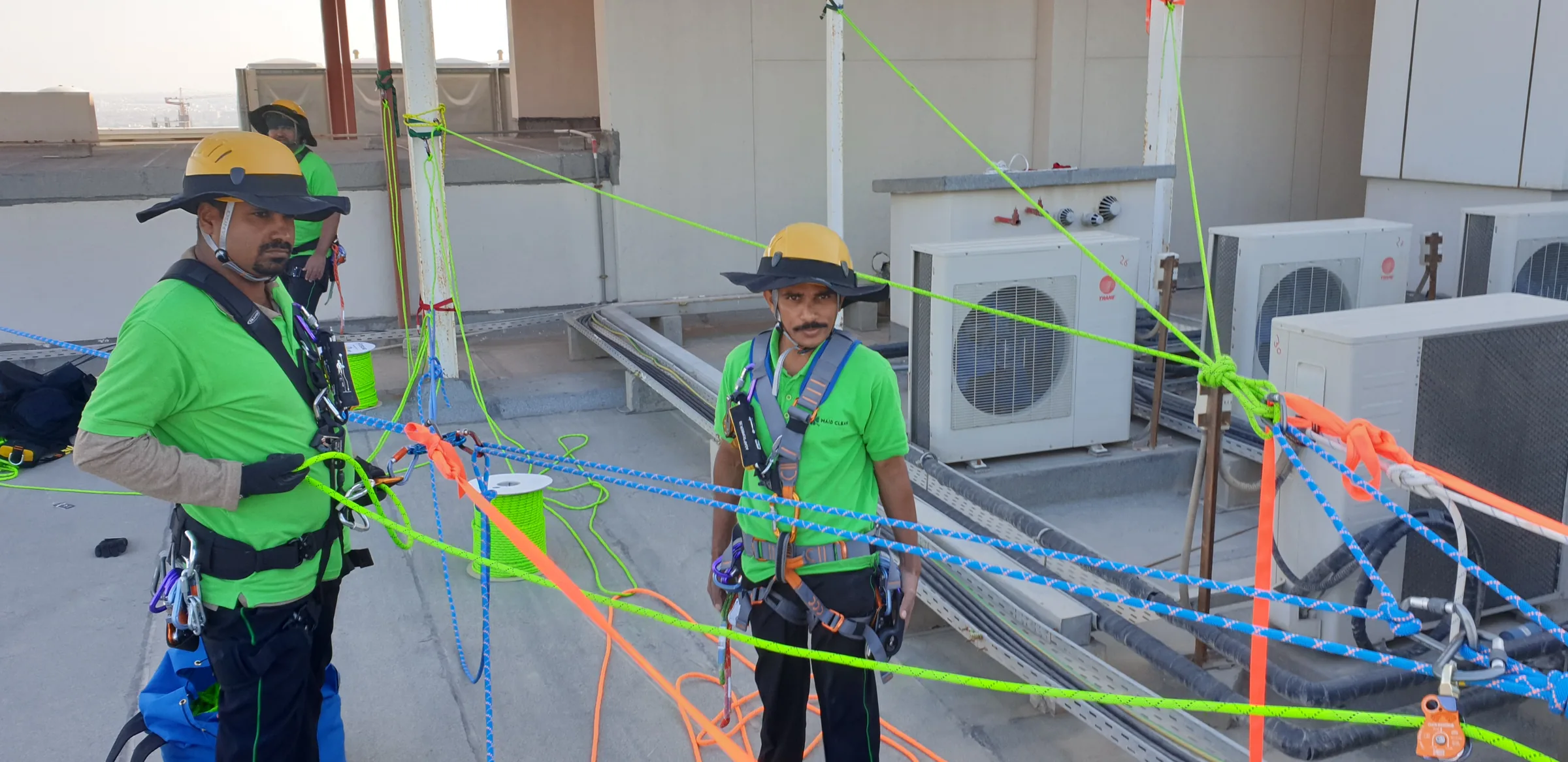
ARS Technician Performing Industrial Rope Access
Portrait crop, technician working on rope
Rope Access Capability

Technical Access for Complex Work

Capability is scoped to the project. Not every element below applies to every site.

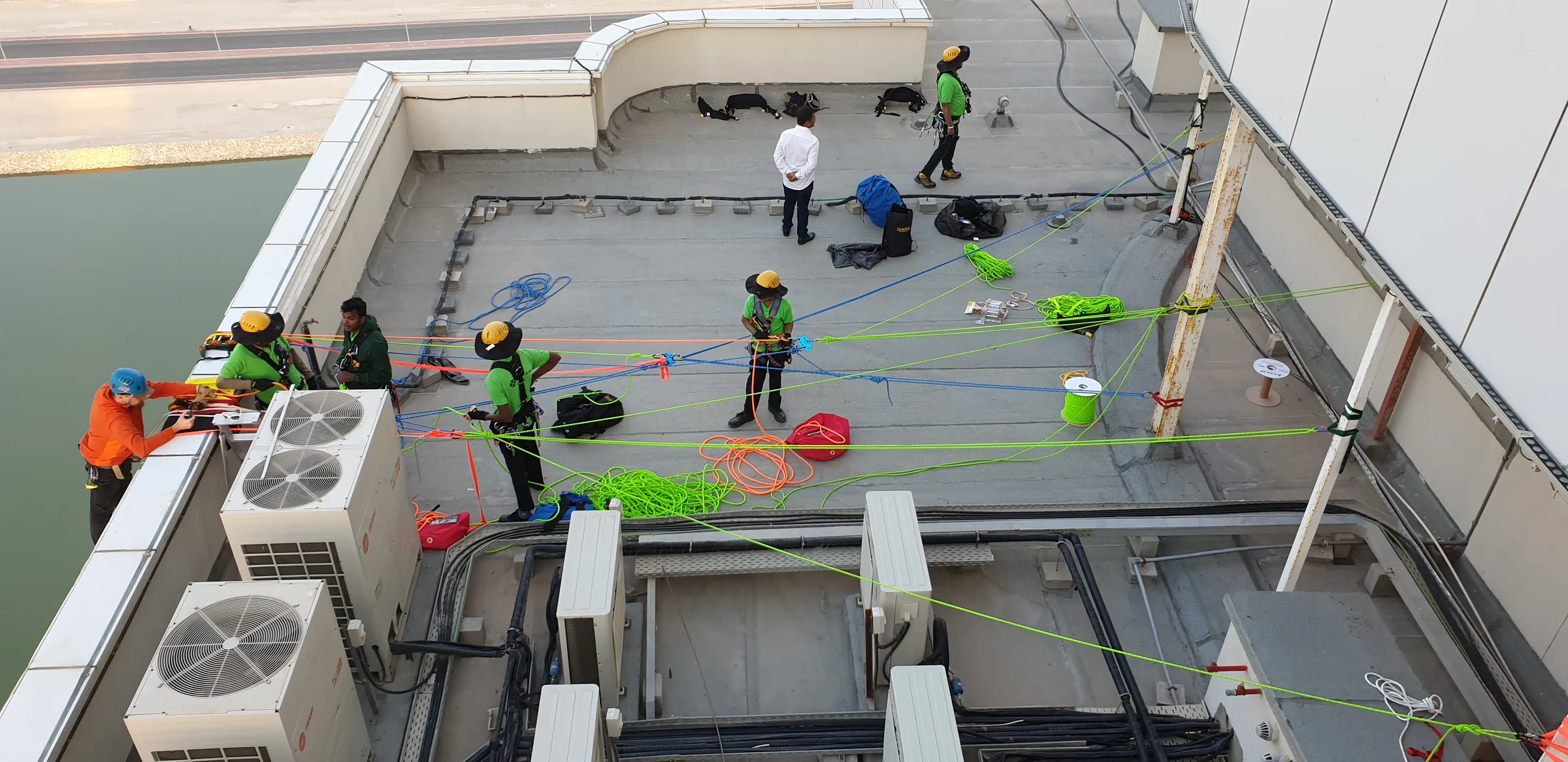
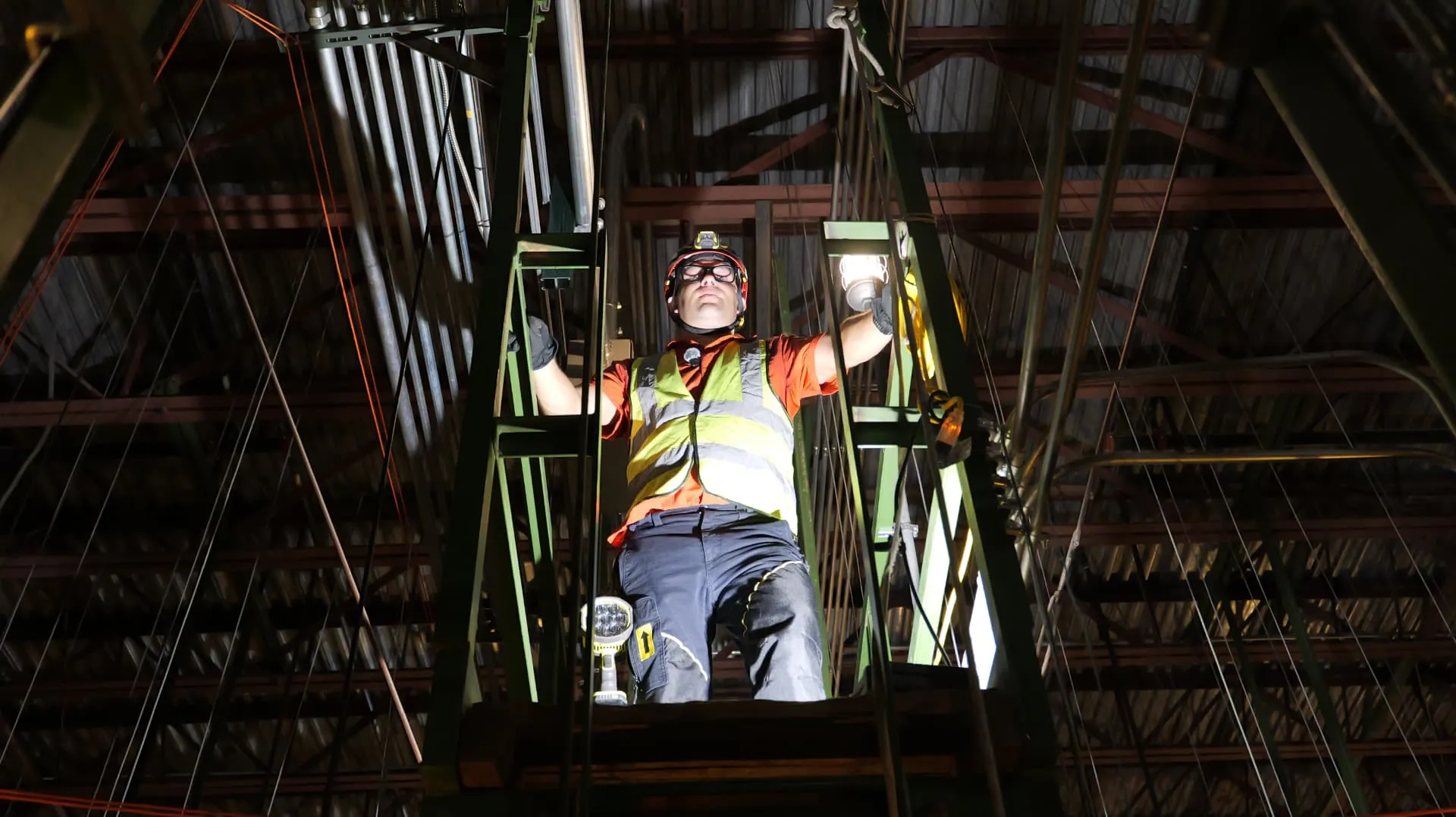
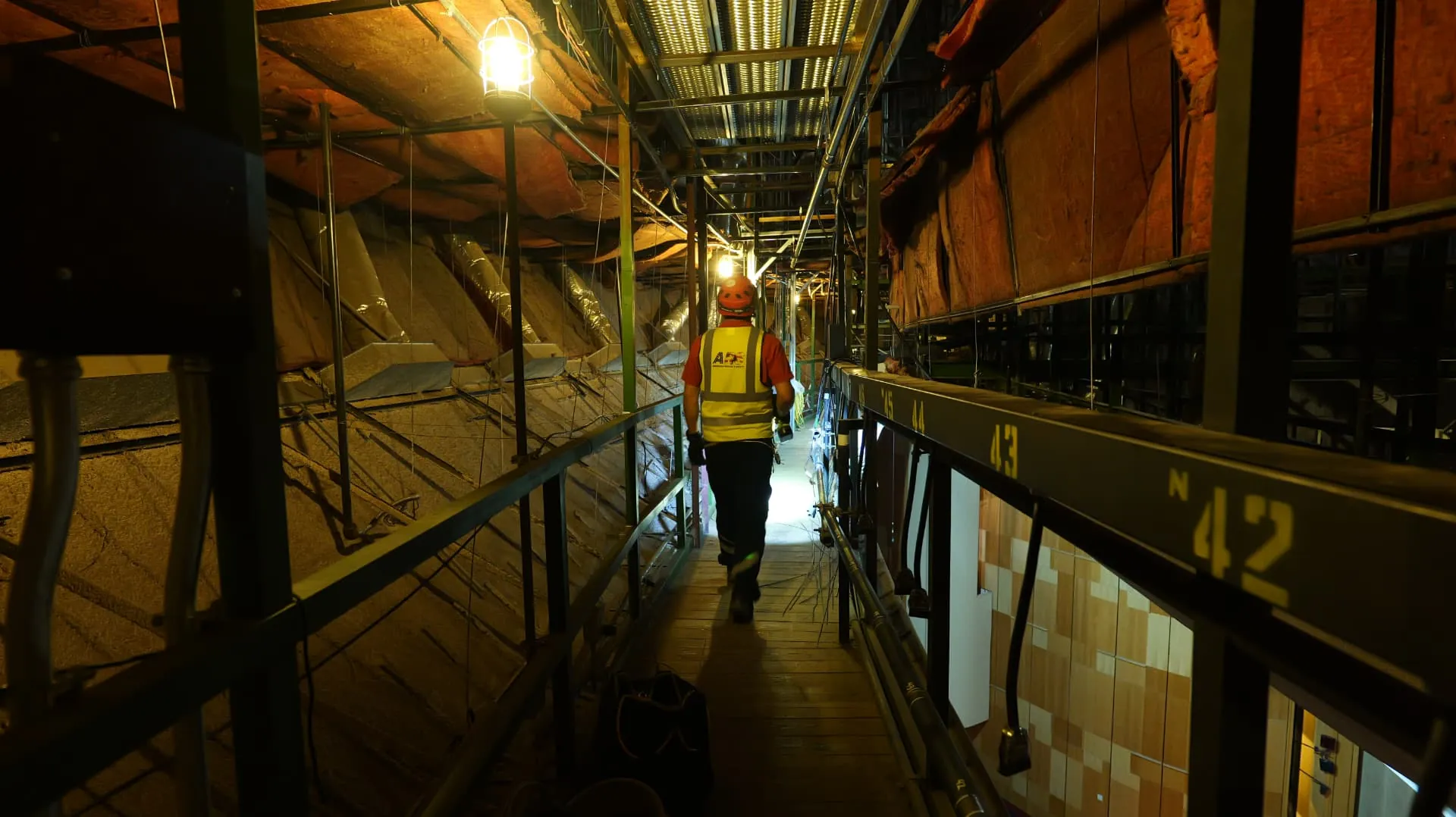
ARS Industrial Rope Access Technician / Technical Access Project
Portrait crop, technical access project
  1. 01

    Industrial Rope Access

    Specialized rope-access systems for elevated, vertical, restricted, or difficult-to-reach industrial work environments.

  2. 02

    Difficult-Access Solutions

    Access planning for structures and work areas where conventional methods may be limited by geometry, height, operating conditions, footprint, or project constraints.

  3. 03

    SPRAT Level III Oversight

    Technical rope-access oversight supporting rope-access systems, personnel, work practices, rescue readiness, and project execution.

  4. 04

    Work-At-Height Support

    Access and safety planning for elevated work involving fall exposure, positioning, anchors, rope systems, and rescue requirements.

  5. 05

    Rope Access Project Support

    Integration of rope-access methods with the actual construction, maintenance, inspection, repair, or industrial work being performed.

  6. 06

    Rescue Integration

    Planning rope-access operations with appropriate rescue capability rather than treating access and rescue as separate systems.

Difficult Access

When Conventional Access Is Limited

Height, restricted work areas, and limited equipment footprint are the conditions that most often push a project past what lifts and scaffolding can practically reach. Complex structures and vertical surfaces add work positions that conventional platforms cannot hold.

Operating facilities, confined geometry, public infrastructure, and compressed shutdown schedules add a further constraint: the access system has to fit the site as it runs today, not as it would need to be reconfigured.

  • Elevated Structures
  • Vertical Surfaces
  • Restricted Work Areas
  • Complex Structural Geometry
  • Operating Industrial Facilities
  • Infrastructure
  • Limited Equipment Access
  • Shutdown & Maintenance Work
Access Planning

Rope Access Is One Tool in the System

The access method should be determined by the work, not selected before the project is understood.

Depending on the scope, the appropriate approach may involve rope access, scaffolding, aerial equipment, conventional fall-protection systems, or a combination of methods.

ARS evaluates the work location, duration, personnel, equipment requirements, structural conditions, fall exposure, rescue needs, and project constraints before recommending how specialized access should be integrated. Where a program rather than a single project is involved, technical safety consulting supports that planning at the organizational level.

Access Assessment

  1. Project Scope

    What work has to be performed, and for how long.

  2. Access Conditions

    How personnel reach and position at the work, structure, height, footprint.

  3. Fall Exposure

    Anchors, edges, positioning, and duration of exposure.

  4. Work Requirements

    Personnel, tooling, materials, and production needs at the work area.

  5. Rescue Needs

    Realistic rescue scenarios and the response capability the system requires.

Access Strategy

Rope Access · Conventional Access · Integrated Access System

The outcome of the assessment, not a predetermined method.

The ARS Approach

Plan the Access Before Work Begins

  1. 01

    Evaluate

    Understand the work location, scope, structure, access restrictions, fall exposure, and project requirements.

  2. 02

    Engineer The Approach

    Determine appropriate access, positioning, anchor, equipment, personnel, and safety requirements.

  3. 03

    Prepare The System

    Establish equipment, access systems, communication, fall protection, and rescue readiness.

  4. 04

    Verify

    Confirm systems, personnel, access points, equipment, and project conditions before work begins.

  5. 05

    Execute

    Perform the work using the established rope-access and safety system.

  6. 06

    Adapt

    Adjust access and safety systems as project conditions or work requirements change.

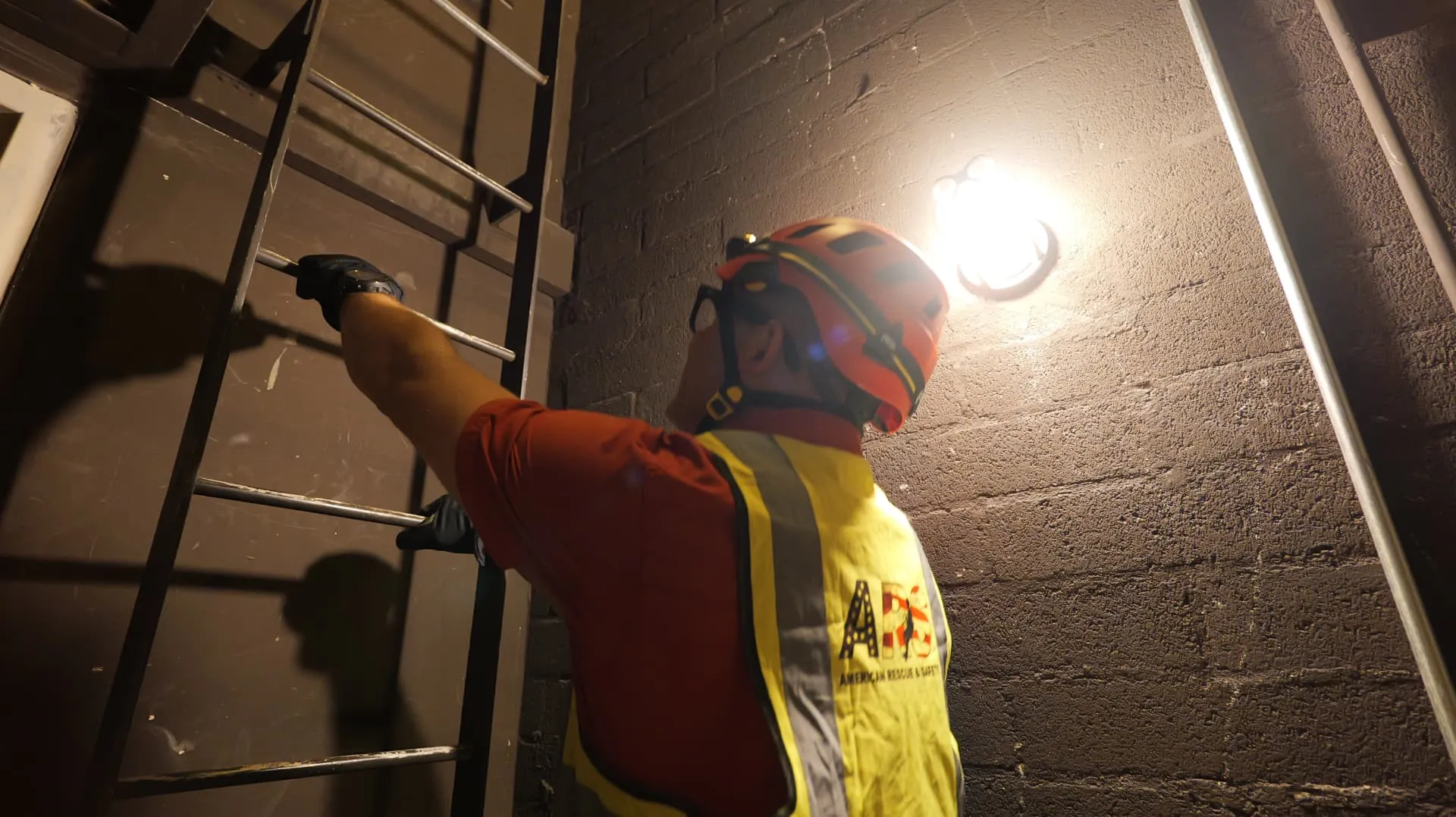
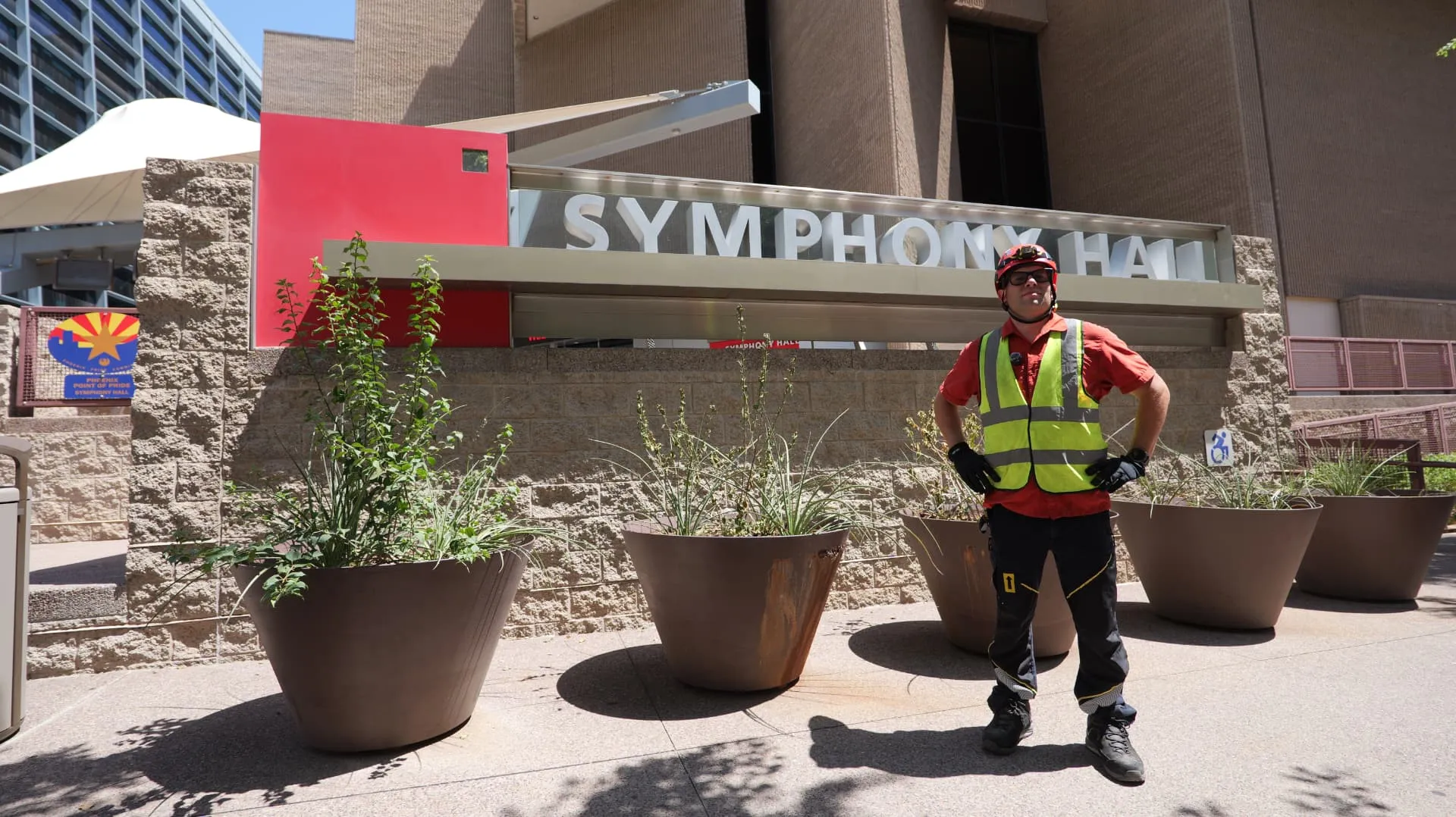
ARS Rope Access Technician On Industrial Structure
Portrait crop, technician on structure
Project Applications

Access Support for Industrial Work

ARS provides access, safety oversight, and project support around specialized work performed by the project team or by ARS technicians where scope allows.

  • Industrial Maintenance

    Access and safety support for maintenance crews working on elevated or difficult-to-reach equipment.

  • Inspection Access

    Controlled positioning so inspection personnel can reach structures, surfaces, and components directly.

  • Structural Access

    Rope-access systems built around steel, towers, vessels, and geometrically complex structures.

  • Repair Work Support

    Access, positioning, and safety oversight around repair scopes performed at height.

  • Coatings & Surface Work

    Access support for surface preparation and coating scopes on elevated or vertical surfaces.

  • Installation Support

    Access systems supporting rigging, placement, and installation activity at height.

  • Utility Work

    Specialized access for utility structures where lifts and scaffolding may be impractical.

  • Infrastructure Access

    Bridges, shafts, dams, and public infrastructure requiring controlled high-angle access.

  • Elevated Construction

    Access and fall-protection planning integrated with active construction sequencing.

  • Shutdown & Outage Work

    Compressed-schedule access support where conventional access cannot be staged in time.

SPRAT Rope Access

Technical Oversight for Rope Access Work

ARS plans and performs rope-access work in line with SPRAT rope-access practices, including technician certification levels, system setup, work practices, and supervision of rope-access operations on site.

Level III oversight supports rope-access system planning, anchor and equipment considerations, technician supervision, and rescue preparedness held with the access system rather than separately. Oversight is coordinated with the site's own safety requirements, permitting, and contractor procedures.

Teams building internal capability can pair project oversight with rope access and rescue training.

  • SPRAT Rope-Access Practices
  • Level III Oversight Capability
  • Rope-Access System Planning
  • Technician Supervision
  • Rescue Preparedness
  • Equipment & System Review
  • Site Safety Integration
  • Communication Planning
Access & Rescue

Access Planning Includes Rescue Planning

A rope-access system is only complete when the project also has a realistic way to reach and recover a technician from the work position. Rescue capability is evaluated with the access plan, the structure, the work position, the exposure, and the equipment already on rope.

Depending on the scope, that may involve high-angle rescue, technical rope rescue, or rescue planning that overlaps with restricted-entry work. ARS keeps those capabilities within the same team so access and rescue are not scoped as separate systems.

Rescue program work is also supported through safety program development and technical rescue training.

Where We Work

Rope Access Across Industrial Environments

  1. Power & Utilities

    Generation, transmission, and distribution structures with elevated components and limited equipment access.

  2. Water & Wastewater

    Treatment structures, tanks, basins, and vertical assets combining height with restricted geometry.

  3. Industrial & Manufacturing

    Production facilities where access must work around operating equipment and continuous operations.

  4. Oil, Gas & Petrochemical

    Process structures, stacks, and vessels where access, permitting, and rescue planning intersect.

  5. Construction & Infrastructure

    Elevated construction, bridges, and civil structures requiring high-angle access during active work.

  6. Telecommunications

    Towers, masts, and antenna structures with fall exposure and rescue considerations at height.

  7. Government & Municipal

    Public facilities and municipal assets with documentation, coordination, and access constraints.

  8. Specialized Facilities

    Atypical structures where standard access equipment does not fit the geometry or the schedule.

A broader view of the sectors ARS supports is available on the industries served overview.

Field Experience

Access Planning Grounded in Real Work

Representative project types. Scope, structure, and access conditions determine how each system is built.

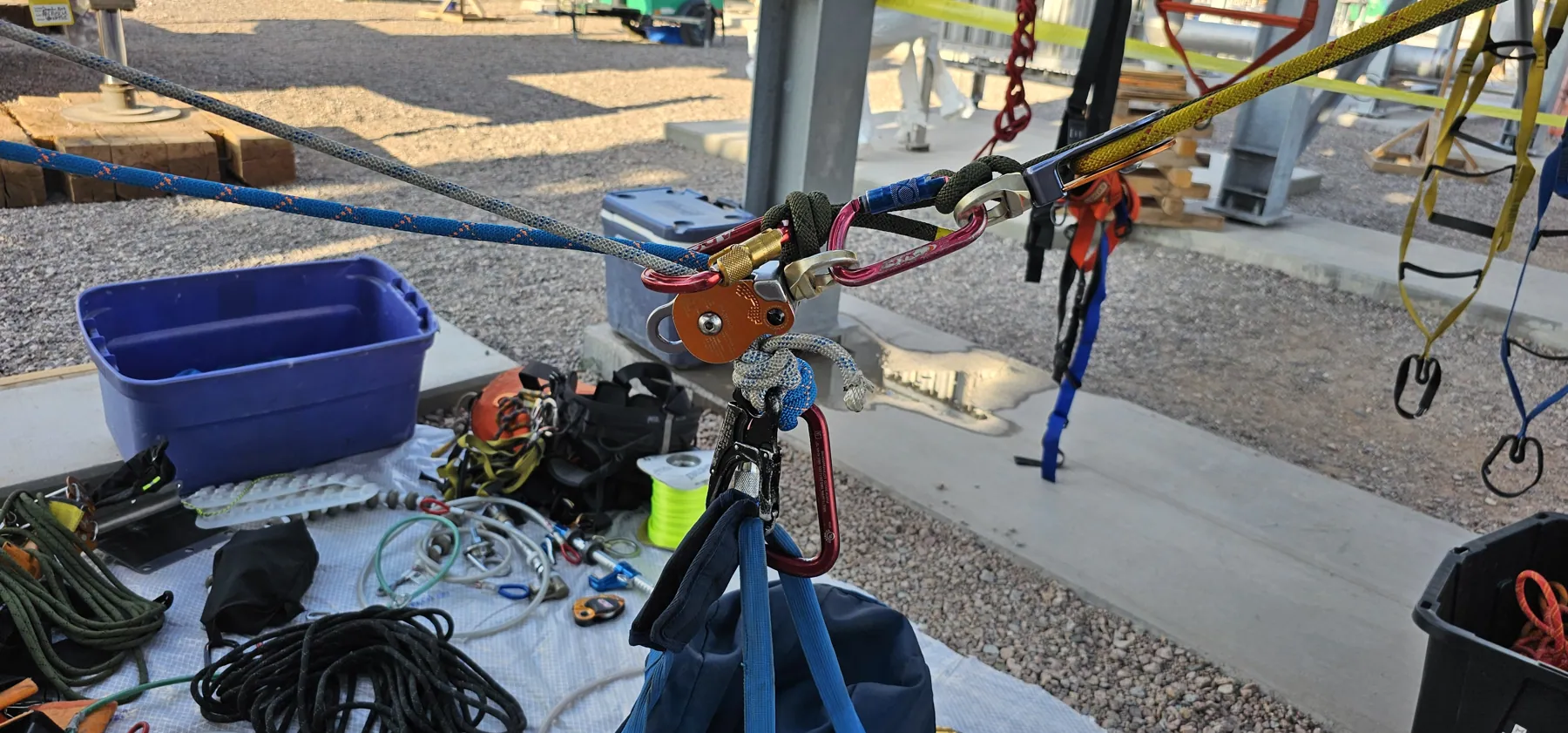
Elevated Industrial Rope Access

Project Type

Elevated Structural Access

Access Challenge
Work positioned high on a structure where lift placement was limited by footprint, ground conditions, and surrounding equipment.
ARS Support
Access evaluation, anchor and rope-system planning, SPRAT-aligned technician oversight, and rescue capability held with the access system.
Difficult-Access Infrastructure Work

Project Type

Difficult-Access Infrastructure Work

Access Challenge
Infrastructure components reachable only through vertical travel, with restricted staging area and public-side constraints.
ARS Support
Access method review, rope-access system design, fall-protection planning, and coordination with the project team performing the work.
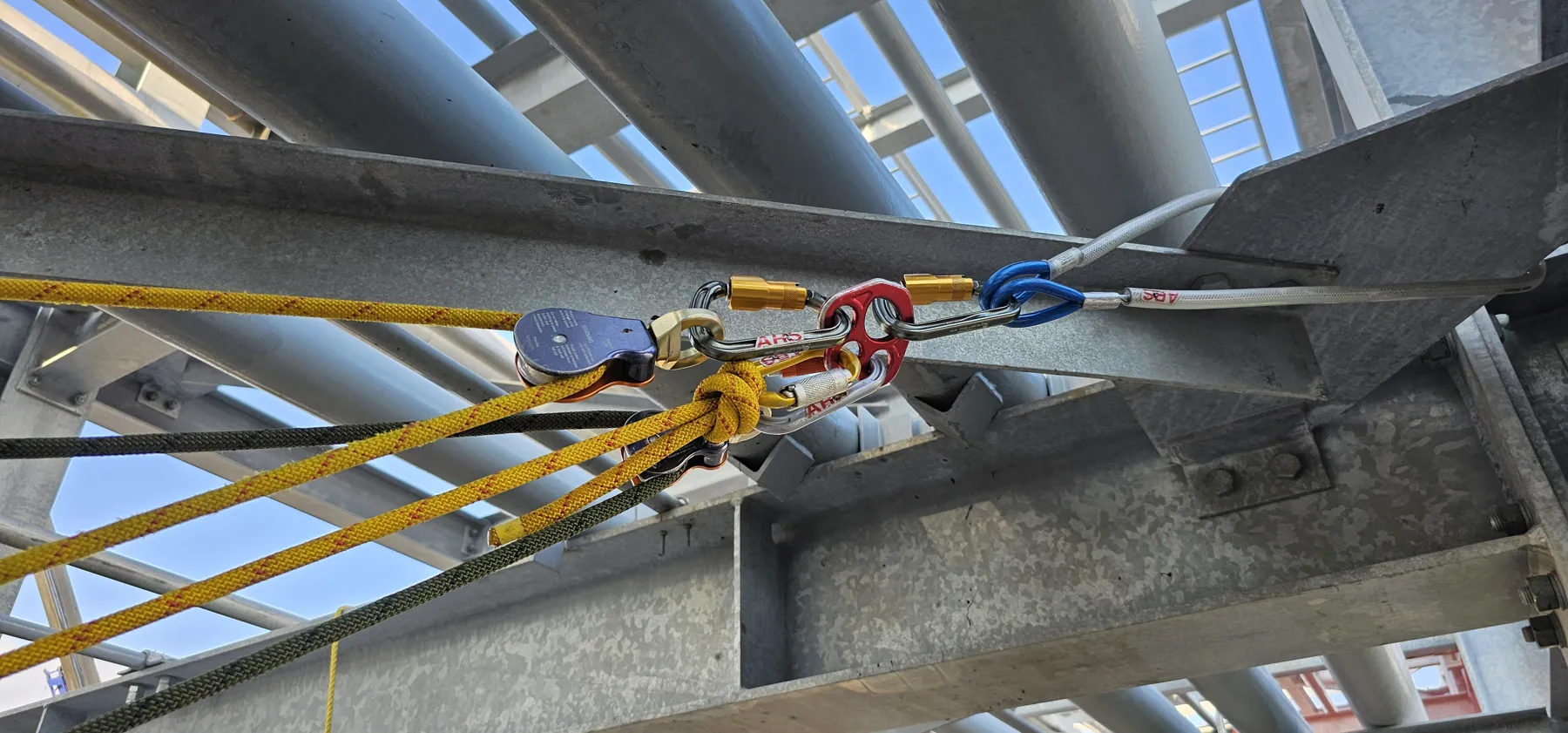
Industrial Rope System / Rigging

Project Type

Industrial Rigging & Rope Systems

Access Challenge
Complex structural geometry requiring multiple work positions, repositioning during the shift, and controlled load handling.
ARS Support
Rigging and rope-system planning, work-positioning strategy, on-site technical oversight, and integrated rescue readiness.

Additional context is available in ARS project experience and on the about ARS page.

Why ARS

Why ARS for Industrial Rope Access

  • Approximately 20 Years of Field Experience

    Industrial and construction field background behind every access plan, applied to real production environments.

  • Established 2015

    American Rescue and Safety LLC has supported industrial access and rescue scopes as a dedicated specialty contractor since 2015.

  • SPRAT Rope Access Expertise

    Rope-access work planned and performed in line with SPRAT rope-access practices and technician certification levels.

  • Level III Oversight Capability

    SPRAT Level III oversight for rope-access systems, technician supervision, work practices, and rescue readiness.

  • Safety and Rescue Integration

    Access systems planned together with rescue capability, so neither is treated as a separate scope.

  • Industrial and Construction Experience

    Experience working inside operating facilities, shutdowns, and active construction sequencing.

  • Class A General Engineering Contractor

    Licensed Arizona Class A General Engineering Contractor, AZ ROC 330310.

  • U.S. and International Capability

    Headquartered in Litchfield Park, Arizona, with mobilization for qualifying national and international project work.

The Arizona ROC 330310 license can be verified directly with the Arizona Registrar of Contractors.

Common Questions

Industrial Rope Access FAQs

Access requirements vary by structure, facility, and scope. ARS can help evaluate what a specific project requires.

Discuss The Access Challenge

Bring ARS in Before Access Is Finalized

Tell us what needs to be reached, where the work is located, what personnel and equipment are involved, and what access limitations exist. ARS can help evaluate the project and determine how specialized access, safety, and rescue should work together.

Headquartered in Litchfield Park, Arizona, supporting qualifying projects across the U.S. and international markets. See global contracting capabilities.